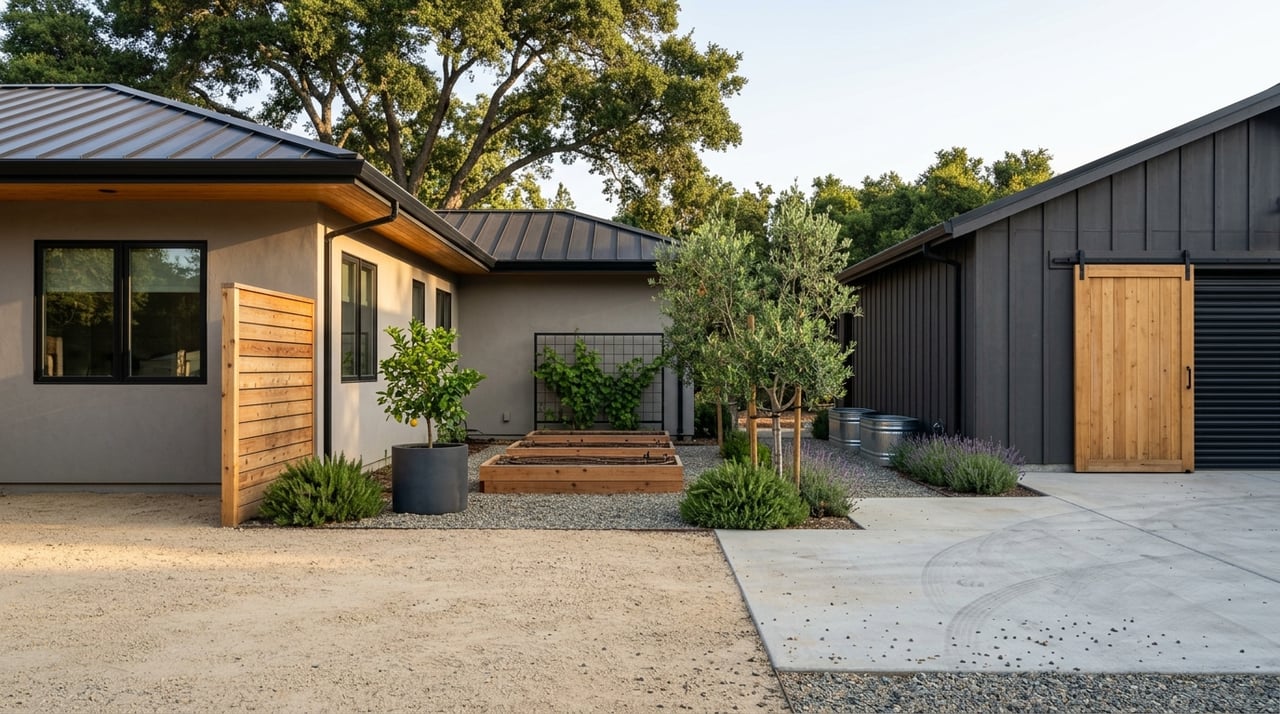
AE-20 Living Burrell District: What to Expect
April 2, 2026
April 2, 2026
If you are eyeing acreage in the Burrel District, AE-20 zoning can shape almost everything about how you use the property. This is not the same as buying a typical residential lot with simple utility hookups and minimal land care. If you want a clear picture of what AE-20 means, how daily ownership may feel, and what questions to ask before you buy, you are in the right place. Let’s dive in.
AE-20 is Fresno County’s Exclusive Agricultural zoning with a 20-acre minimum parcel size. The county also expresses AE-20 density as 1 dwelling unit per 20 acres, which is one of the clearest starting points when you are evaluating a property’s long-term use options. According to the county’s current zoning ordinance resources, the AE zone is intended to protect agricultural land and uses tied to agricultural operations.
That matters because AE-20 acreage is built around land use first. In practical terms, you are not just buying a home site. You are buying into a zoning framework that supports agriculture and expects the property to function with that purpose in mind.
For many buyers, the first question is simple: what can you actually do on AE-20 land? Fresno County’s zoning tables show that crop production and agricultural accessory storage and structures are permitted in AE zoning. That can make AE-20 a fit for buyers who want open land, a small agricultural operation, or space for agricultural support buildings.
Some animal-related uses are allowed too, but the details matter. The code allows livestock on lots larger than 2 acres, domestic poultry up to 500 birds on lots larger than 2 acres, and domestic swine up to four animals. More intensive or commercial animal operations may require additional review, such as Director Review or a Conditional Use Permit, based on the county’s zoning ordinance.
In many cases, yes. Since crop production and agricultural accessory uses are permitted, AE-20 can support a hobby farm style setup better than a standard suburban zoning district would.
Still, “can” does not always mean “by right for every idea.” If your plans involve larger-scale animal activity, commercial agricultural operations, or specialized improvements, you will want to confirm the exact permit path before you commit.
One big benefit of acreage is having room for support buildings. In AE zoning, accessory buildings are generally allowed, which may include structures used for storage or agricultural support. That can be a major plus if you need space for equipment, supplies, or land maintenance.
At the same time, structure rules do not disappear just because the parcel is large. Fresno County notes that accessory buildings in AE have special setback rules, and some farm structures like silos, water tanks, and windmills can be taller than ordinary accessory buildings under the code. Before adding barns, sheds, tanks, or similar improvements, it is smart to review the county’s zoning standards for the specific parcel.
A 20-acre parcel can make a property feel flexible, but zoning still controls where and how structures are placed. That is especially important if you are planning a future buildout, reorganizing the site, or trying to keep areas open for cultivation or access.
This is one of those details that can affect both usability and cost. A parcel may look wide open on a map, but the best building areas can narrow once setbacks, drainage, and access are factored in.
Owning AE-20 acreage often means taking a more hands-on role with the land. County rules around grading, wells, septic, and agricultural compliance suggest that upkeep can include irrigation planning, drainage management, well monitoring, septic service, equipment storage, and site access. In other words, the property may operate more like a small system than a simple homesite.
For some buyers, that is exactly the appeal. You may have room, privacy, and agricultural flexibility that is hard to find elsewhere. But you should also expect more moving parts than you would in a neighborhood with standard municipal infrastructure.
On acreage, maintenance is often about more than mowing and repairs. You may need to think through how water moves across the site, where equipment is stored, how access roads hold up, and whether your existing systems can support your plans.
That does not make ownership harder for everyone. It simply means AE-20 living usually comes with a stronger land-management component.
A common surprise for rural acreage buyers is how often permits enter the picture. Fresno County requires grading permits in the unincorporated area to help avoid flooding, drainage, erosion, settlement, and related hazards. The county states that an engineered grading and drainage plan is required for a single-family residence when grading exceeds 1,000 cubic yards, and a SWPPP is typically required when land disturbance reaches 1 acre or more, according to the county’s grading requirements.
That means even straightforward site work can involve more review than buyers expect. If you are planning a new house pad, reworking drainage, adding access improvements, or preparing a building area, those permit steps should be part of your budget and timeline.
If the parcel needs a new well, Fresno County issues well permits to licensed drillers in unincorporated areas. After construction, Environmental Health may sample domestic private wells, and the county notes that private wells are not required to meet water-quality standards in the same way as regulated public systems, based on the county’s well permitting program.
This is an important point for buyers. You should verify how the parcel is served today, whether an existing well is present, and what testing or upgrades may be wise before closing.
Where community sewer is not available, Fresno County says it may permit individual on-site sewage disposal systems on parcels with the right area and soils. The county’s general plan also notes this framework for rural development, which is especially relevant in areas where utility infrastructure is limited. You can review that in the county’s General Plan materials.
For you as a buyer, that means septic suitability is not something to treat as a small detail. Site conditions, soils, and system status can influence both immediate usability and future improvement plans.
Burrel is described in official county materials as a small unincorporated area near South Jameson Avenue and West Elkhorn Avenue. County analysis says the community relies on private wells and septic tanks, has no community storm drain system, and is served by the Fresno County Fire Protection District. Those details come from the county’s community analysis materials.
That local context is important because it reinforces what many acreage buyers find in practice: you should not assume city-style services. Utility access, drainage, and site systems may vary from parcel to parcel, even within the same general area.
The broader area also reflects a strong agricultural orientation. The Riverdale Irrigation District covers about 15,143 acres in south-central Fresno County and provides irrigation water through canals.
That said, irrigation access and domestic water service are not the same thing. If you are buying in or near Burrel, it is worth confirming exactly how the parcel receives irrigation water, domestic water, and wastewater service rather than assuming standard hookups are available.
Before you move forward on AE-20 acreage in the Burrel District, ask focused questions that match the realities of the land:
These questions can save you time, money, and frustration. They can also help you decide whether the property supports your goals now, not just in theory.
AE-20 properties are not one-size-fits-all. Two parcels can share the same zoning but offer very different day-to-day ownership experiences based on wells, septic, grading, access, irrigation, and existing improvements.
That is why a careful, property-specific review matters so much. If you are considering acreage in the Burrel District and want a grounded, practical conversation about how a property’s land, structures, and improvement potential fit your goals, Ruben Olguin can help you think through the details and schedule a free consultation.
Work hand-in-hand with an experienced real estate agent who provides guidance, market expertise, and personalized support to help you buy, sell, or invest with confidence.
1220 W MAIN ST VISALIA CA 93291