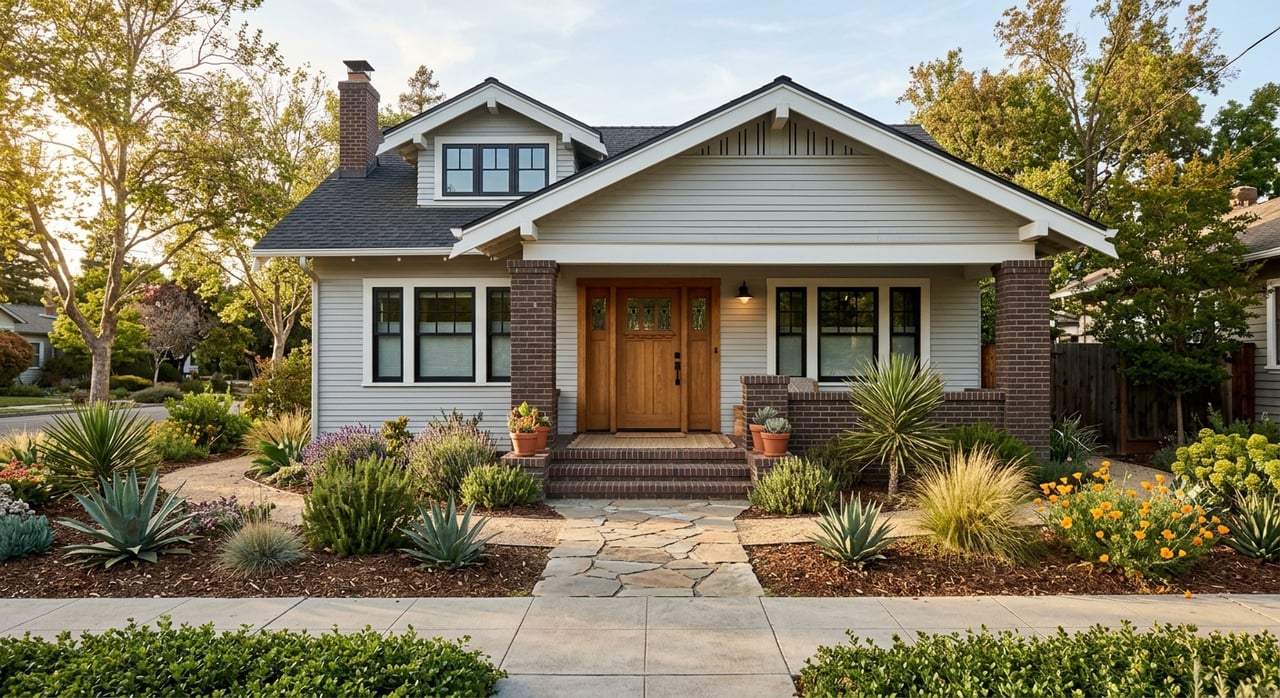
Exeter vs Visalia Real Estate: Find Your Best Fit
May 28, 2026
May 28, 2026
Trying to choose between Exeter and Visalia for your next home? You are not alone. These two Tulare County cities are close enough to share many regional advantages, but they offer very different day-to-day experiences. If you are weighing small-town character against broader amenities, this guide will help you compare housing, pricing, commute patterns, and lifestyle so you can make a more confident move. Let’s dive in.
Exeter and Visalia sit in the same regional market, which means your decision may come down to how you want to live, not just what you want to spend. While many buyers assume one city is clearly more affordable than the other, recent sale-price data suggests the gap is smaller than expected.
In March 2026, Redfin reported a median sale price of $400,750 in Exeter and $405,000 in Visalia. Census QuickFacts shows a wider difference in owner-occupied home values, but those figures measure something different. The practical takeaway is simple: the better value often depends more on the home itself, the lot, and the surrounding area than the city name alone.
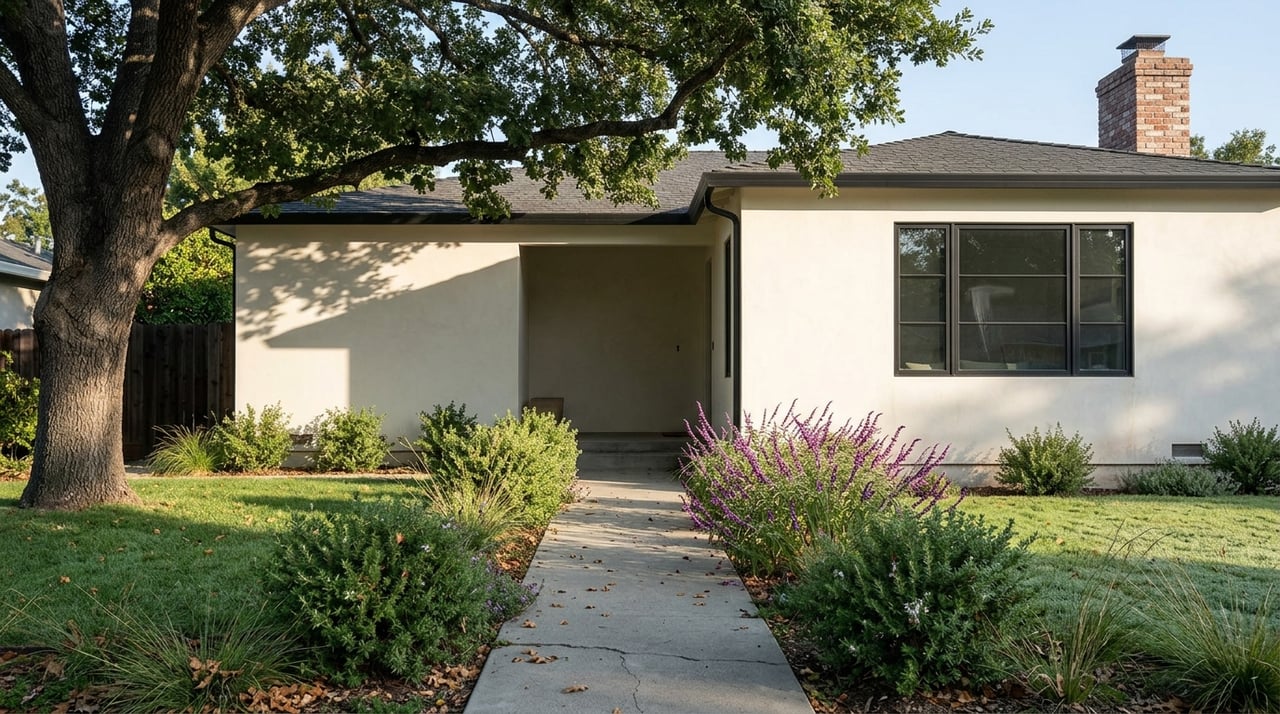
Exeter’s housing stock leans heavily toward detached single-family homes. According to the city’s housing element, about 79.8% of its housing units are single-family detached, and around 63% of the housing stock was built before 1990.
That matters if you want a home with a more established feel or you appreciate older construction patterns. Exeter’s official planning documents also note that newer development has been concentrated in Northeast and Northwest Exeter, while higher-density zoning is focused around downtown and a few main corridors.
For buyers who value character, lot-based living, and a more residential setting, Exeter may feel like a natural fit. If you are considering an older home, it can also help to look closely at condition, updates, and long-term maintenance needs before deciding.
Visalia is also dominated by detached homes, but the housing mix is broader. The city’s Consolidated Plan reports that 74.8% of housing units are detached single-family homes, with additional inventory in 2-to-4 unit properties, 5-to-19 unit structures, 20+ unit structures, and mobile-home or other housing types.
That wider mix can be useful if you want more options within one market. You may find it easier in Visalia to compare a traditional single-family home with a condo-style setting, a smaller multi-unit property, or other housing formats without leaving the city.
For buyers who want flexibility, whether for budget, lifestyle, or investment goals, Visalia often offers a deeper menu of choices.
The short answer is not by much, at least at the median sale level. Exeter and Visalia are surprisingly close in recent pricing, which means you may get more value by focusing on specific neighborhoods, home condition, and property features than by trying to pick the “cheaper” city.
Here is a simple comparison based on the research provided:
| Market Measure | Exeter | Visalia |
|---|---|---|
| March 2026 median sale price | $400,750 | $405,000 |
| Owner-occupied home value | $307,600 | $371,500 |
Because these numbers come from different measures, they should not be treated as a one-to-one comparison. Still, they do support an important point: headline pricing alone may not decide this choice.
Exeter’s official materials emphasize its small-town character, historic downtown, and community identity. The city also highlights a compact but active park and recreation system, with more than 31 acres of community parks and recreation facilities.
Local spaces like City Park, Dobson Field, Schroth Park, and Unger Park give Exeter a neighborhood-centered feel. The city also notes year-round recreation programs and special events, which adds to its local rhythm.
If you want a place that feels quieter, more residential, and closely tied to a traditional town center, Exeter may align well with that goal.
Visalia describes itself as the county’s cultural, economic, and commercial hub. The city says it blends a small-town feel with bigger-city amenities, and its public resources support that description.
Visalia Parks and Recreation reports more than 50 parks, trails, and recreation facilities. The downtown area also includes restaurants, shopping, microbreweries, and event-oriented spaces near the Visalia Convention Center, along with city-managed parking structures and additional public parking lots.
If your routine includes dining out, attending events, running errands in a central area, or wanting more services close at hand, Visalia may offer a better fit.
For many buyers, commute patterns matter as much as the home itself. Exeter’s downtown connects through State Route 65 and Visalia Road, while Visalia highlights direct access to Highway 99 and notes that State Route 198 runs east-west through the middle of the city.
In practical terms, both cities are part of a car-based regional system. Your experience may depend on where you work, how often you travel across the county, and whether highway access is a top priority for you.
If you want a transit backup, Visalia Transit directly serves Exeter through Route 9A/9B between the Visalia Transit Center, Farmersville, and Exeter. Visalia says its transit service area includes Exeter, Farmersville, Goshen, and Tulare, with fixed-route service operating Monday through Friday from 6 a.m. to 9:30 p.m. and weekends from 8 a.m. to 6:30 p.m.
Additional options include Dial-A-Ride, V-LINE to Fresno, and the seasonal Sequoia Shuttle. Exeter also highlights RIDE Tulare County as a regional option with fixed-route, paratransit, and on-demand service.
That does not make Exeter or Visalia transit-first cities. It does mean you have more regional mobility options than you might expect if driving is not your only preference.
When buyers compare Exeter and Visalia, they often start with price. That makes sense, but this decision usually becomes clearer when you think about your routine.
Ask yourself a few practical questions:
These questions often reveal more than citywide averages do. In this part of Tulare County, the better move is usually the one that matches your lifestyle as closely as your budget.
Because Exeter and Visalia are so close in regional pricing, local knowledge becomes especially valuable. One block, one subdivision, or one home’s condition can change the equation quickly.
That is especially true if you are comparing older homes, evaluating renovation potential, or trying to understand how location affects daily convenience. A thoughtful home search should look beyond surface-level comparisons and focus on how a property will serve you now and over time.
If you are deciding between Exeter and Visalia, a grounded local conversation can help you sort through the tradeoffs and narrow in on the right fit. To talk through your goals and compare homes with a Tulare County perspective, schedule a free consultation with Ruben Olguin.
Work hand-in-hand with an experienced real estate agent who provides guidance, market expertise, and personalized support to help you buy, sell, or invest with confidence.
1220 W MAIN ST VISALIA CA 93291