Buying a Home in Woodlake CA With Small-Town Charm
March 5, 2026
March 5, 2026
Craving a quieter pace without giving up your Tulare County routines? Woodlake delivers that small-town country feel, plus quick access to jobs and services in Visalia. You can choose an in-town ranch home with a tidy yard or step into acreage with room for hobbies, animals, or a shop. In this guide, you’ll get a clear view of prices, home types, utilities, loans, inspections, and offer strategies that fit Woodlake. Let’s dive in.
Woodlake is a compact city in eastern Tulare County with a population in the seven-thousand range. It sits a roughly 20 to 25 minute drive from Visalia, depending on route and traffic, which makes it an easy commute for many local jobs and services. You get a slower daily rhythm with foothill views and quick trips to groceries, parks, and weekend recreation.
The lifestyle is simple and outdoorsy. You have neighborhood strolls around Bravo Lake, small city parks, and quick access to foothill day trips. If you want extra elbow room without feeling far from town, Woodlake is a smart place to focus your search.
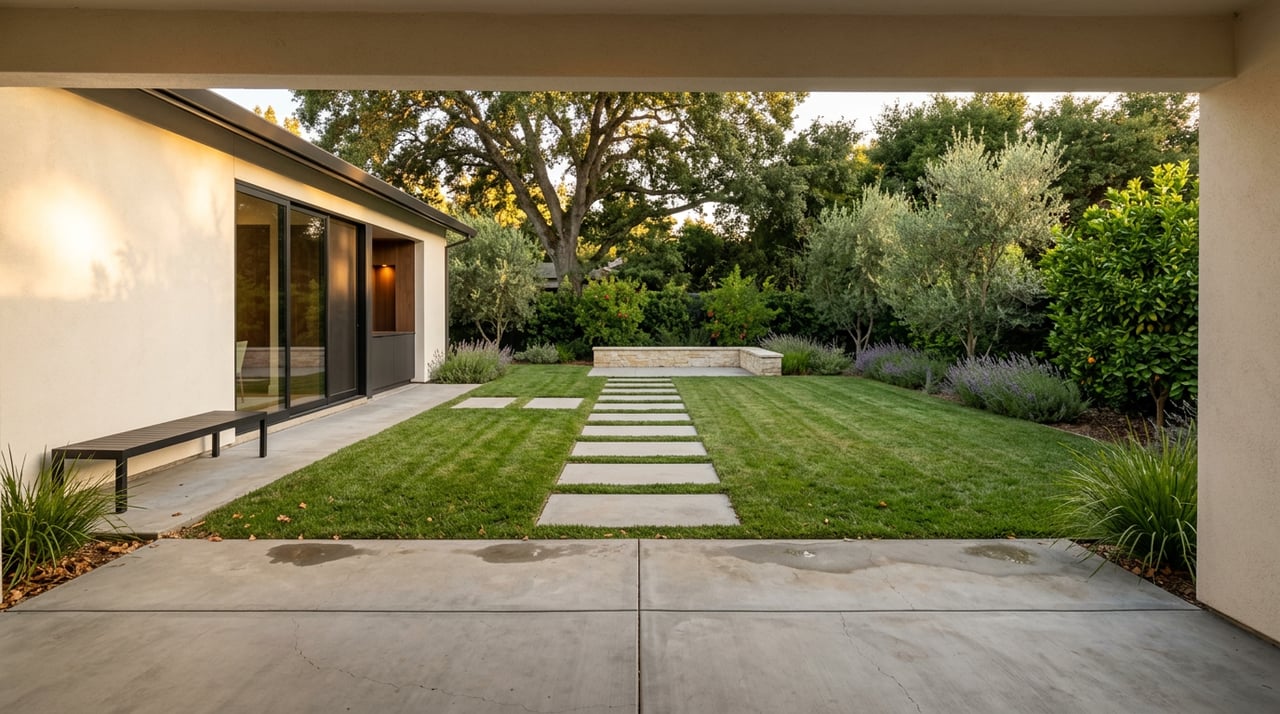
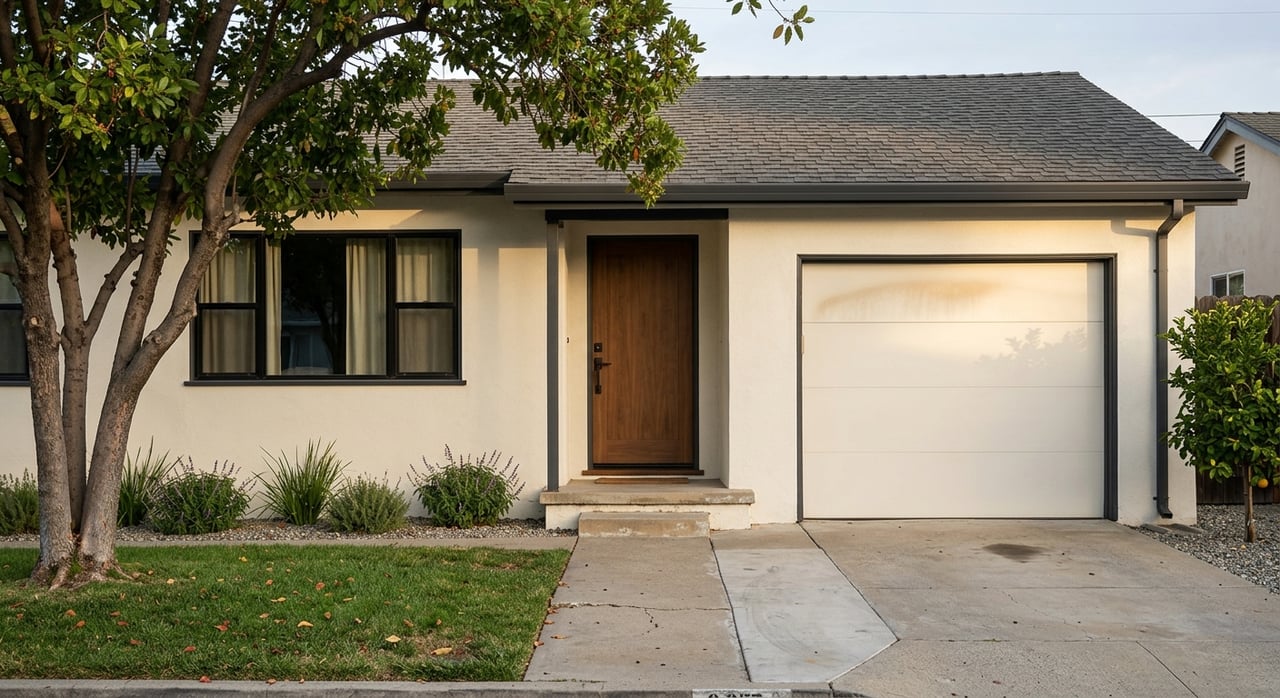
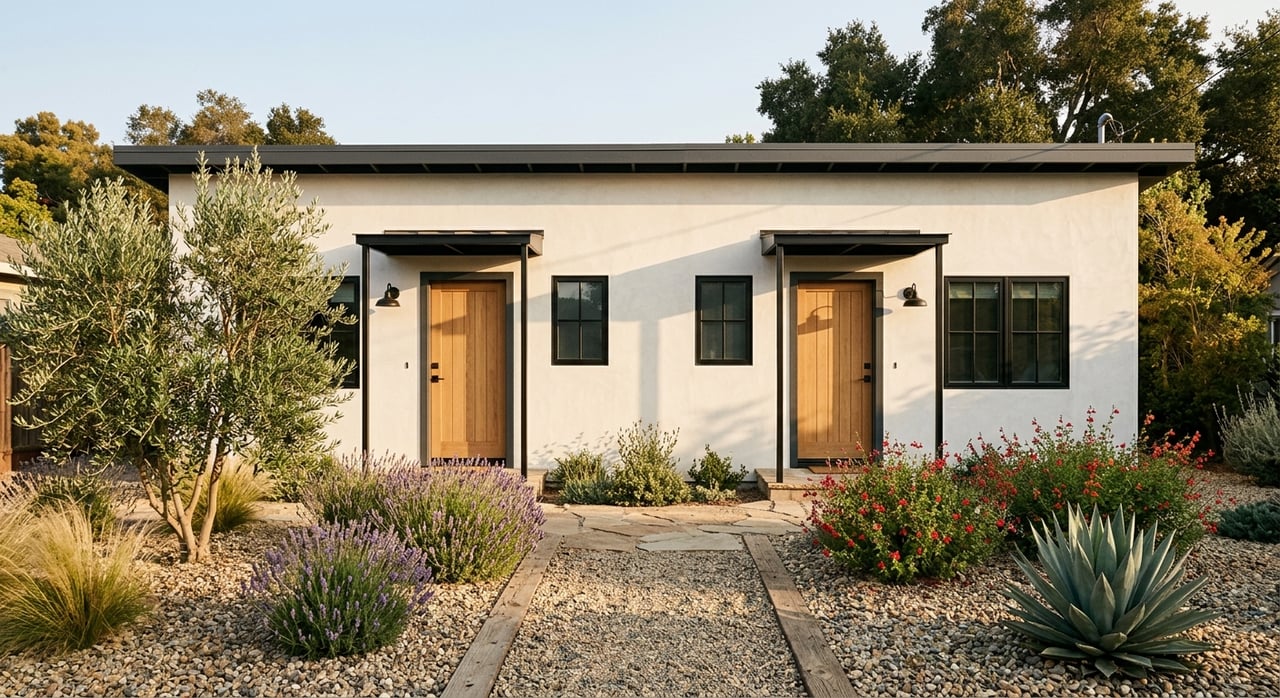
Inside city limits, you will mostly see single-story ranch-style homes on city lots. Many lots run about 0.12 to 0.21 acres based on recent examples in the local market. Homes often feature stucco exteriors and practical layouts that work for first-time and move-up buyers.
For a visual reference, browse a typical town-lot listing example that reflects this scale and style. It helps you picture driveway width, backyard space, and how a patio or small garden might fit.
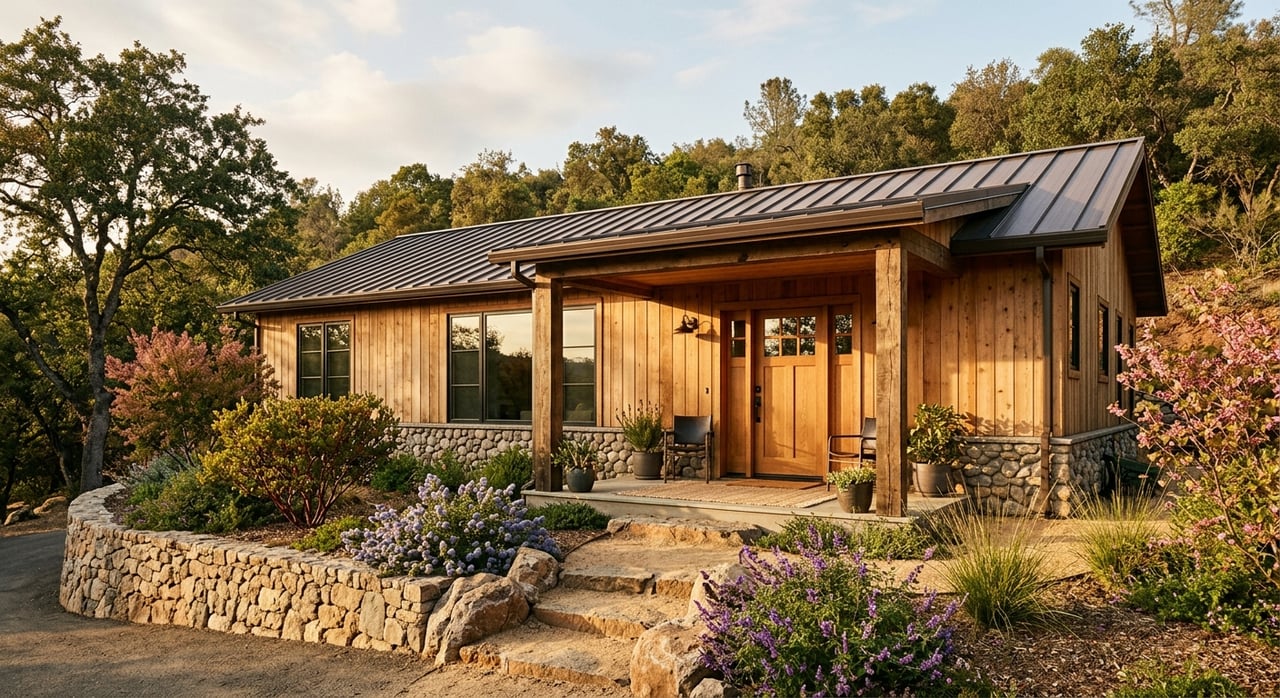
Just outside the city grid, properties open up. You will find parcels measured in acres, with space for outbuildings, RV parking, and small agricultural uses. These properties trade close neighbors for privacy and views, but they also come with different permitting and utility needs. A larger acreage example in the broader Woodlake area shows how land, access roads, and outbuildings can change the use and upkeep of a property.
Prices shift month to month based on inventory mix. Index measures show a typical Woodlake home value around $325,000 at the start of 2026. Active listing prices can run higher when the for-sale mix includes newer builds or larger parcels. Use these as ballpark markers and plan to review current MLS comps with your agent when you are ready to write an offer.
Inside city limits, many homes connect to city water and sewer. The City of Woodlake’s Public Works Department manages municipal services, including water quality testing and wastewater treatment. During due diligence, you will confirm whether the property is on city systems or a private setup. If you have questions on service areas, review the City of Woodlake Public Works page for contacts and current service details.
Rural-adjacent properties often rely on a private well and septic system. Lenders and appraisers usually require proof that the well produces adequate, safe water and that the septic functions properly. For FHA loans, the FHA Single Family Housing Policy Handbook outlines when a water test or pump test is needed, minimum well flow expectations, and documentation standards. Plan for the time and cost of a licensed well and septic evaluation during your inspection period.
Internet speeds and cellular coverage can vary by address. Ask the seller which providers they use, request recent bills, and confirm service with your lender and insurance agent if it affects your work or security needs. It is smart to verify early, especially if you rely on video meetings or home-based systems.
Different home types and utilities call for the right financing. A quick primer helps you match your plan to the property:
Work with a lender who understands Tulare County and rural underwriting so you set a realistic budget and timeline from day one.
Most offers include financing, appraisal, and general inspection contingencies. If the home uses private systems or has outbuildings, add targeted protections:
These contingencies help you manage lender requirements and avoid surprises after closing.
Plan time and funds for a full set of reports so you understand the property and satisfy your lender:
Specialty inspections like well and septic can add 7 to 14 days to your inspection window. Build that time into your offer so labs and county records have room to come back. Appraisals for rural or unique properties may also take longer or receive extra underwriting review. Freddie Mac guidance notes that rural assignments should be handled by appraisers with local market knowledge and solid comparable support. Be ready to discuss price or repairs if the appraisal or inspections reveal issues.
You are minutes from foothill adventures. From Woodlake, day trips to Three Rivers, Lake Kaweah, and the sequoia groves are part of weekend life. Pack the cooler after work and head for evening light at the lake, or plan a full-day hike among giant trees. The short drive to Visalia keeps restaurants, shopping, and services close while you enjoy a quieter home base.
Buying in a small Central Valley city is part lifestyle and part logistics. The details on wells, septic, insurance, and appraisals matter just as much as layout and views. With deep Tulare County experience and hands-on renovation knowledge, you will get clear advice on property condition, market value, and how to structure a clean offer. Ready to walk a few homes and compare in-town lots to acreage options? Schedule a free consultation with Ruben Olguin.
Work hand-in-hand with an experienced real estate agent who provides guidance, market expertise, and personalized support to help you buy, sell, or invest with confidence.
1220 W MAIN ST VISALIA CA 93291