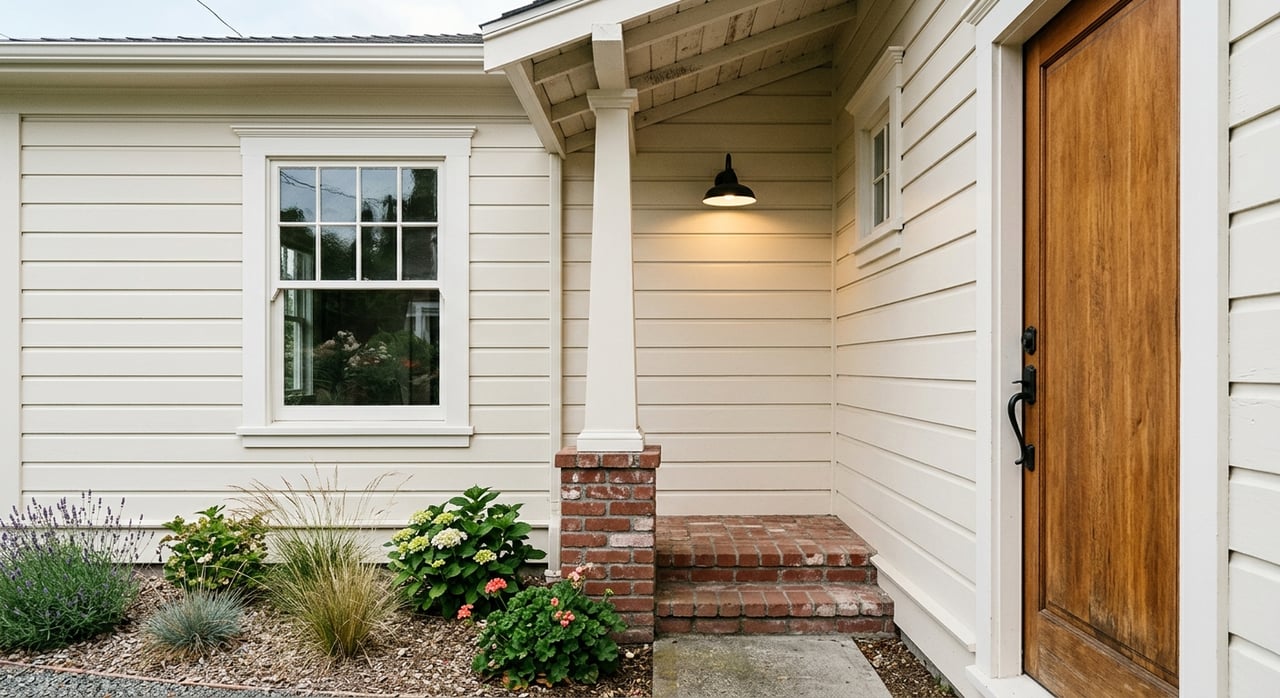
Older Visalia Homes: Smart Maintenance and Sale Prep
April 23, 2026
April 23, 2026
If you own an older home in Visalia, you already know it is not just another property on the market. It may have original woodwork, a distinct architectural style, mature landscaping, or a place in the city’s history. That character can be a real advantage, but only if you pair it with smart upkeep, clear documentation, and a marketing plan that speaks to today’s buyers. Let’s dive in.
Older homes fill an important niche in Visalia’s housing story. The city has an active historic-preservation framework, including a Historic Preservation Advisory Committee, a historic district overlay, and a local register of historic structures, sites, and features, all designed to help preserve architectural character and support property values in older areas. You can review the city’s preservation resources through the Historic Preservation Advisory Committee page.
That matters because marketing an older home in Visalia should go beyond simply calling it old or charming. The city’s local register includes styles such as Colonial Revival, Queen Anne, Craftsman Bungalow, Airplane Bungalow, Art Deco, and Vernacular, which gives buyers a clearer way to understand a home’s design and significance. In other words, age alone is not the story. Architecture, condition, and stewardship are the story.
Visalia’s broader housing stock also gives helpful context. According to the city’s adopted housing element, the median year built for housing units in Visalia is 1983, with many homes built in the 1970s and 1980s. That means older homes are a meaningful part of the local market, even if they are not the majority.
Before you think about photos, pricing, or listing copy, focus on the systems and conditions that buyers are most likely to notice. In Visalia, climate plays a big role in that conversation.
NOAA climate normals for Visalia show a July mean daily maximum of 93.8°F and annual precipitation of 10.32 inches, which makes summer heat and dry conditions major factors for home performance. For older homes, that often puts roof condition, attic insulation, cooling efficiency, and landscape planning near the top of the priority list.
Hot weather can expose weak points quickly in an older house. If the home struggles to stay comfortable, buyers may worry about future utility bills and deferred maintenance.
ENERGY STAR notes that sealing air leaks and adding insulation can improve comfort and reduce annual energy bills by up to 10%. In a market like Visalia, those are practical upgrades that can help an older home feel more livable without changing its character.
The U.S. Department of Energy also notes that cool roofs save the most in hot climates because they reduce heat transfer into the building. If your roof is due for replacement, a heat-conscious roofing choice may be worth discussing as part of your pre-sale planning.
Wood-destroying pests are another big issue for older homes. UC IPM explains that western drywood termites are common in the Central Valley, can be difficult to detect, and are best evaluated by a professional.
That makes a pest inspection a smart early step, not a last-minute reaction. If treatment has already been completed, keep the invoices, report, and repair records together. Buyers feel more confident when they can see that an issue was addressed clearly and professionally.
Landscaping can add real curb appeal to an older Visalia home, especially when mature trees help frame the property. At the same time, tree work is not always simple.
Visalia’s Valley Oak Ordinance requires permission to remove or prune valley oaks and requires protection of those trees. If your landscaping is part of the home’s appeal, handle any needed tree work early and keep documentation in order.
One of the biggest mistakes sellers make with older homes is overcorrecting. Buyers want comfort and reliability, but they also want the home to feel authentic.
Visalia’s historic code is built around compatibility. The ordinance encourages repairs and alterations that stay in the spirit of the home’s architectural style, and ordinary maintenance or repairs that do not require a building permit are generally allowed. For historic-district or local-register properties, some exterior work is reviewed before a building permit is issued.
The city’s ordinance treats some like-for-like work more leniently, including reroofing, residing, masonry repairs, and chimney repairs when compatible materials are used. That creates a practical path for sellers.
If something is worn out, replace it in a way that fits the house. A repair that looks consistent with the original structure usually supports curb appeal better than a quick fix that looks out of place.
If your home is in the historic district or on the local register, it is wise to check with the city before changing visible exterior features, fencing, or signage. The Historic Preservation Advisory Committee resources can help you confirm what applies to your property.
This is especially important before listing. Buyers tend to feel more comfortable when there are no loose ends around approvals, and you will avoid last-minute surprises that could delay the sale.
For sites within the historic district or on the local register, the code says at least 50% of the required front-yard setback area should be reserved for landscaping. That means front-yard design is not just cosmetic. It can also connect to local preservation expectations.
If you are refreshing curb appeal before a sale, aim for maintenance and compatibility rather than a total redesign. In many cases, that approach helps preserve both the property’s look and its market appeal.
When buyers consider an older home, they are often asking two questions at the same time: Is this house special? and Has it been taken care of? Documentation helps answer the second question.
A strong pre-listing package can include:
The city offers a Research Permits Online portal, which is useful for checking what work has already been permitted. That is a smart first step if your home has had updates over time and you want to verify the paper trail before going to market.
Even a beautiful older home needs the right strategy. Current market context suggests sellers should be thoughtful about condition, presentation, and pricing.
Realtor.com’s Visalia market overview reported a median listing home price of about $420,000 to $429,000 and median days on market of roughly 39 to 42 days. The same source reported a Tulare County median listing price of $417,742 and described the county as a balanced market in February 2026.
In a balanced market, buyers usually have time to compare options. That means your home’s value is shaped not only by its charm, but by how clearly you present its upkeep, updates, and livability.
The best marketing for an older Visalia home is usually not just “historic charm.” Buyers respond better to a complete story:
That kind of message helps the buyer see both beauty and practicality. It also helps reduce the fear that an older home will come with too many unknowns.
If the home has original or preserved features, describe them specifically and accurately. If work has been done, explain what was improved and why it matters. If the property falls within the historic district or appears on the local register, be clear about that and have supporting information ready.
The goal is not to overwhelm buyers with technical language. The goal is to show that the home has been cared for with intention.
Disclosures matter in every sale, but they are especially important with older properties. California sellers of one-to-four unit residential property generally must provide a Real Estate Transfer Disclosure Statement, including known environmental hazards.
For homes built before 1978, sellers must also disclose known lead-based paint hazards and provide the EPA lead pamphlet. Buyers also have a 10-day window to inspect for lead hazards unless that timing is changed by written agreement.
A structural pest inspection is not automatically required by law, but if a contract or lender requires one, the seller or agent must deliver the report and certification before transfer. In practice, if you already know your home may raise pest questions, handling that issue before the listing goes live can make the transaction smoother.
If you are preparing to sell an older home in Visalia, your plan should be simple and disciplined.
First, preserve the features that define the house. Second, update the parts that protect comfort, safety, and day-to-day function. Third, organize your records and confirm any permit or preservation questions early. Finally, market the home with a clear story that shows both character and care.
That is where local knowledge matters. A home with architectural personality, maintenance history, and city-specific considerations needs more than a generic listing approach. If you want guidance on preparing, positioning, and marketing an older home in Visalia, Ruben Olguin can help you build a strategy that respects the home’s character while aiming for a strong market result.
Work hand-in-hand with an experienced real estate agent who provides guidance, market expertise, and personalized support to help you buy, sell, or invest with confidence.
1220 W MAIN ST VISALIA CA 93291