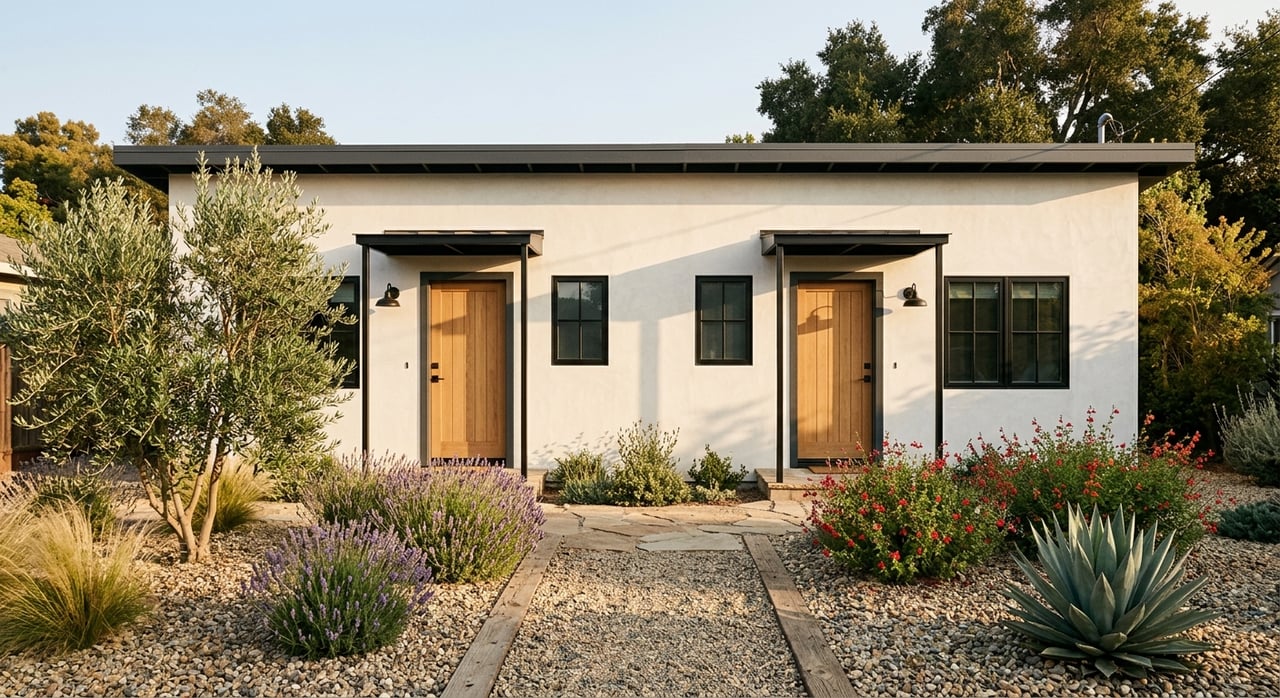
Porterville Small Multifamily Investing: What to Check
July 2, 2026
July 2, 2026
If you have been looking at duplexes, triplexes, or fourplexes in Porterville, you have probably noticed something right away: the opportunities can look promising, but the details matter a lot. In a market where small multifamily is a relatively limited part of the housing stock, the difference between a solid purchase and a costly mistake often comes down to zoning, legal unit count, taxes, and condition. This guide will help you understand what to watch for, how to evaluate properties more carefully, and where small multifamily may fit into your Porterville goals. Let’s dive in.
Porterville offers a different entry point than many larger California markets. The city had an estimated population of 63,517 in 2024, with a median gross rent of $1,148 and a median owner-occupied home value of $285,700. For many buyers, that creates a more approachable starting point for small multifamily than higher-cost metros across the state.
The renter base is also meaningful. Porterville’s owner-occupied housing rate is 54.3%, which means a substantial share of local households rent. Compared with California’s much higher overall rent levels, Porterville can appeal to investors who want a smaller-scale asset in a market with more modest acquisition prices and realistic rent expectations.
Local household patterns matter too. Census data shows 30.5% of residents are under 18, average household size is 3.21 persons, and 54.4% of residents speak a language other than English at home. For a small multifamily owner, that can shape practical decisions about unit mix, leasing communication, and day-to-day property operations.
One reason these properties attract attention is simple: there are not that many of them. City housing documents indicate that detached single-family homes make up most of Porterville’s housing stock, while 2-to-4-unit buildings account for about 10% of the inventory. That makes duplexes, triplexes, and fourplexes a smaller and more specialized segment of the local market.
Because supply is limited, each listing deserves close review. A property may be marketed as a multifamily opportunity, but you still need to verify whether the unit count is legal, whether additions were permitted, and whether the layout truly works for tenants. In a market like Porterville, those details can have a major effect on value.
This is also where local experience helps. Older or modified properties may have character and upside, but they can also come with deferred maintenance, awkward conversions, or incomplete permit histories. If you are buying for income, you want to know exactly what you are getting before you commit.
Porterville planning materials show that small multifamily is part of the city’s housing framework, not an unusual exception. The RM-1 zone allows single-family or multifamily development at up to 11.3 units per net acre. The PD zone can allow up to 15 units per net acre.
City planning documents also specifically discuss triplexes and fourplexes in this density framework. That is helpful because it signals that smaller multifamily formats are already part of the local planning vocabulary. Still, zoning is only the starting point.
Parcel-level feasibility matters just as much. State housing guidance notes that realistic site capacity depends on land-use controls, site improvements, and utility availability, including water, sewer, and dry utilities. In practical terms, a parcel may look good on paper, but the true opportunity depends on what is actually supportable on that site.
For Porterville small multifamily, early due diligence should focus on the basics that can affect value and use right away. The Tulare County Assessor advises buyers to use the Public Parcel Search to review lot size, zoning designation, and appraised value by APN. The City of Porterville’s permitting guidance also says buyers should verify zoning before signing or purchasing and obtain building permits before making physical changes.
That means your first review should include more than price and rent. You want to confirm that the property is legally what it claims to be. You also want to understand whether the current income setup is stable and supportable.
A practical checklist includes:
These steps are especially important in a market where 2-to-4-unit housing is a relatively small share of the inventory. Limited supply can make listings feel urgent, but careful review is still what protects your investment.
A common mistake is underwriting a Porterville property as if it were located in a much more expensive California market. The local tenant base sets the tone here. The city’s median gross rent of $1,148 offers a useful baseline for what the market may support.
That does not mean every unit should rent at that exact number. Condition, bedroom count, utility setup, and location all matter. But it does mean your rent projections should make sense for Porterville, not for a larger metro with a very different renter profile.
When you review a listing, compare current rents with the written rent roll and ask whether projected increases are realistic. If the business plan depends on aggressive post-renovation rents, take a hard look at whether local households can support that number. In smaller multifamily, steady and supportable income often matters more than overly optimistic projections.
Small multifamily often looks straightforward at first glance, but the expense side can quickly reshape returns. Common rental property expenses include cleaning and maintenance, insurance, interest, management fees, repairs, taxes, and utilities. If those numbers are not modeled clearly, the deal can look stronger on paper than it will feel in real life.
Utilities deserve special attention. If units are not separately metered, owner-paid utility costs can materially affect cash flow. The same goes for older roofs, HVAC systems, plumbing, or deferred exterior work that may not be obvious in early marketing photos.
Property taxes also deserve close review. Tulare County notes that Proposition 13 generally limits the property tax rate to 1% of assessed value plus voter-approved bonded indebtedness. The county also notes that a change in ownership or new construction can trigger a new base-year value and supplemental assessment.
For buyers, that means tax exposure should be part of your early underwriting, not an afterthought during escrow. A property that looks affordable based on an older tax bill may carry a different tax picture after closing.
If you are planning for rent growth, be careful to verify how state law applies to the property. The California Attorney General states that AB 1482, the Tenant Protection Act, generally caps rent increases for many residential tenants at 10% total or 5% plus CPI, whichever is lower. It also creates statewide just-cause protections.
There are important exemptions, including some newer units with a certificate of occupancy from the past 15 years and certain owner-occupied duplex situations. Because exemptions depend on the specific property, you should verify coverage before building a plan around future rent increases. The key point is simple: do not assume your rent strategy will work the same way on every duplex or fourplex.
Good multifamily ownership is not only about acquisition. It is also about how the property will operate after closing. Porterville’s demographics suggest that practical management choices can make a real difference.
With a large share of residents speaking a language other than English at home, bilingual leasing and maintenance communication may be useful. Average household size and the local age mix can also make family-sized units more functional than a studio-heavy setup. That does not guarantee performance, but it is a practical way to align operations with the local market.
This is where a property’s layout becomes important. A triplex with more usable bedroom counts, better parking flow, or clearer utility separation may perform more smoothly than a property with the same gross square footage but a less functional design. In small multifamily, usability often matters just as much as headline price.
The best small multifamily opportunities around Porterville are often the ones where the basics are already strong. That could mean a legally verified duplex with stable rents, a triplex with manageable cosmetic improvements, or a fourplex where utility setup and maintenance needs are already well understood. In each case, the value comes from clear facts and realistic planning.
There may also be value-add opportunities, especially where a property has deferred maintenance or an outdated layout. But in this segment, upside should be approached carefully. You want renovation goals, permit questions, and post-improvement rent assumptions to stay grounded in what the site and the local market can actually support.
That is especially true in Porterville, where small multifamily is a narrower part of the inventory and each property can come with its own quirks. A careful review can help you avoid overpaying for uncertainty while still identifying properties with strong long-term potential.
If you are considering a duplex, triplex, or fourplex in Porterville, a local, detail-focused review can help you sort real opportunity from surface-level promise. For a practical conversation about value, condition, zoning context, and next steps, schedule a free consultation with Ruben Olguin.

Work hand-in-hand with an experienced real estate agent who provides guidance, market expertise, and personalized support to help you buy, sell, or invest with confidence.
1220 W MAIN ST VISALIA CA 93291