Downtown Hanford Living Guide: Character, Walkability, Convenience
July 9, 2026
July 9, 2026
Are you drawn to neighborhoods where the houses have a story and daily errands do not have to feel like a production? Living near downtown Hanford can offer that mix of character and convenience, especially if you like older architecture, walkable blocks, and a more connected day-to-day routine. If you are wondering what it is really like to live near this part of town, this guide will walk you through the housing style, the setting, and the practical details that matter most. Let’s dive in.
Downtown Hanford is more than a typical commercial strip. The city established a Historic District in 1980 to encourage restoration and rehabilitation of older structures, and the area is also treated as a Historic Overlay Zone.
That planning approach matters because it helps preserve the look and feel that gives downtown Hanford its identity. The city’s stated goals include protecting the historic ambiance and encouraging pedestrian-oriented improvements, which helps explain why this area feels grounded in place rather than generic.
The historic core is shaped by legacy buildings that still define the streetscape. City materials highlight landmarks such as the Fox Theater, Train Station, Auditorium, Hanford Hotel and Griswold Offices, Court House, Bank and Post Office, and Carnegie Library and Museum.
For you as a homebuyer, that means the appeal of living nearby is not just about address. It is also about being close to a preserved part of Hanford with a recognizable civic and architectural identity.
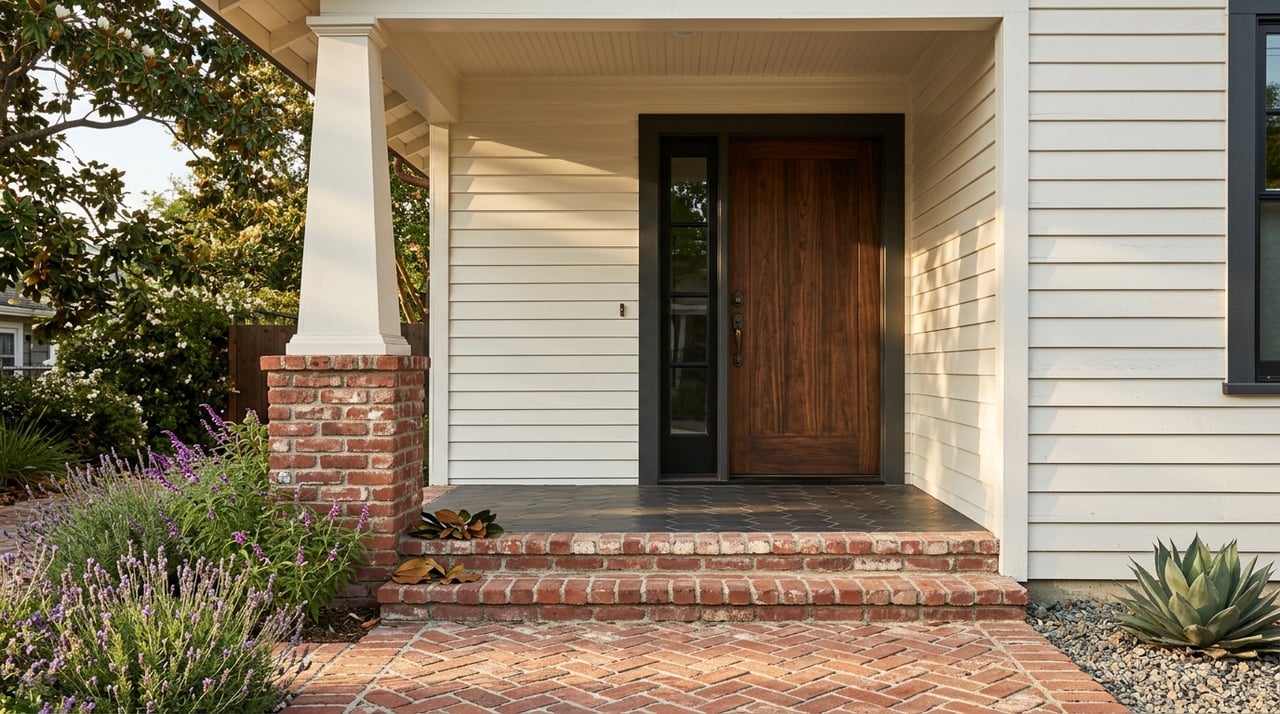
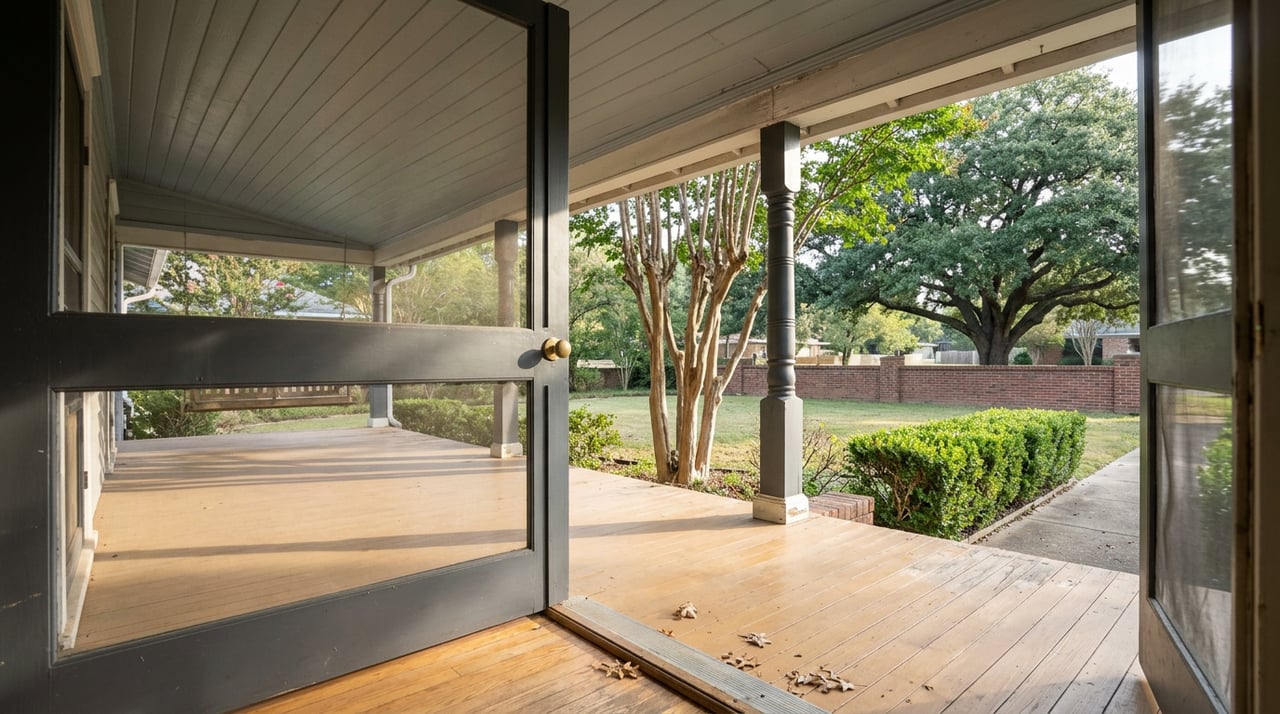
If you are shopping near downtown, expect housing with more visual variety than you would usually find in a newer subdivision. Hanford’s General Plan identifies Craftsman, Victorian, and Tudor homes as part of the city’s historic and cultural resources.
That is a strong clue about the kind of streetscape you may find. Instead of rows of similar homes, you may see older properties with distinct rooflines, porches, detailing, and materials that reflect different periods of the city’s growth.
For many buyers, that is the main draw. A character home can feel warmer, more memorable, and more personal than a blank-slate tract property.
At the same time, older homes usually ask you to pay closer attention to condition, layout, and future upkeep. If you are considering one of these properties, it helps to look beyond charm and think carefully about how the home functions for your daily life.
The area around downtown Hanford has a more compact, street-oriented pattern than many newer neighborhoods. Planning rules in the Downtown East area push parking and service functions toward alleys or rear access and place buildings close to the sidewalk.
In some districts, garages are not permitted, some parking must be accessed from alleys, and parking between the building and the street is prohibited. New construction is also expected to continue the row-building pattern, with façades placed at the property line and walls running parallel to the street.
All of that shapes the feel of the neighborhood. When you are near downtown, the public face of the block matters, and the street often feels more defined and connected.
For a buyer, this can be a plus if you want a setting that feels more urban and walkable on a small-city scale. It also means you should confirm lot layout, parking access, and garage placement early in your home search.
One of the biggest reasons buyers look near downtown Hanford is simple: it can make everyday life easier. Main Street Hanford describes downtown as home to more than 350 unique businesses, with shops, coffee spots, boutiques, and restaurants within walking distance of one another.
That kind of proximity can change your routine in practical ways. You may be able to grab coffee, meet a friend for lunch, browse a local shop, or run a quick errand without planning a longer drive across town.
Downtown dining also covers a broad range of casual and everyday options. Main Street Hanford lists places such as One Eleven Coffee, Hop Forged Brewing Company, Star Restaurant, Superior Dairy, Quesadilla Gorilla, and Samurai Sushi Bar & Grill, along with other Mexican, Asian, and counter-service spots.
For some buyers, this is the heart of the value. You are not just buying a house. You are buying closer access to the routines and places that fill in everyday life.
Living near downtown Hanford can also mean being closer to a steady rhythm of public events and local activity. Main Street Hanford says the Thursday Night Market Place runs every Thursday from May through October in Civic Park and features live entertainment, locally grown produce, and artisan foods and goods.
That gives the area a recurring social calendar that many neighborhoods do not have. Instead of waiting for special occasions, you may have regular community activity nearby for much of the year.
Downtown also includes established venues for arts and events. The Temple Theatre is listed as a performing arts theater, and the city describes the restored 1929 Fox Theatre as a venue used for live performance and movies.
This kind of activity can be a real plus if you enjoy a more public, event-oriented routine. It adds energy and variety without requiring a long drive to another part of the region.
Convenience near downtown is not only about restaurants and events. Civic services are close by too, which can be helpful when you want a more centralized daily routine.
City Hall houses most city departments at 315 to 321 North Douty Street. The Civic Auditorium at 400 North Douty Street is used for meetings and events, and the Parks Division maintains downtown, Courthouse Square, and city parking lots as part of its regular work.
Hanford also has public transportation through KART, and the city’s transportation planning treats downtown as the hub of the regional transit system. That gives downtown an added layer of practical connectivity beyond car travel alone.
The city is also planning improved pedestrian and bicycle connections through Fast Track Hanford. That project is intended to connect the Hanford Amtrak Station, the Civic Center, historic China Alley, and the KART Transit Station through a more pedestrian- and bicycle-friendly corridor.
If you love older homes, this is one of the most important things to understand before you buy. Near downtown Hanford, changes to older or designated historic properties may involve more review and more sensitivity than in a newer neighborhood.
Hanford’s General Plan says the city encourages rehabilitation and restoration of designated historic structures in downtown. The zoning code also defines alteration broadly, including exterior changes that affect visual character, surfaces, landscape features, and other visible elements.
In plain terms, if you plan to remodel, expand, or significantly change visible exterior features, you should confirm what standards or approvals may apply. That does not mean improvement is off the table. It means thoughtful planning is especially important.
For buyers who value stewardship and design integrity, this can actually be a strength. It helps protect the setting that made the area appealing in the first place.
Living near downtown Hanford tends to work best for buyers who value older architecture, shorter errands, and a more connected neighborhood feel. If you like the idea of being near local businesses, community events, and civic destinations, this part of Hanford may feel like a strong match.
It can be especially appealing if you are comfortable with the tradeoff that often comes with character homes. You may gain charm, location, and a stronger sense of place, but you may have less of the easy flexibility that comes with a newer tract home.
That tradeoff is not good or bad on its own. It simply depends on how you want to live.
If you are comparing downtown-adjacent properties with newer areas, it helps to ask yourself a few practical questions:
If the answer is yes to most of those questions, homes near downtown Hanford may be worth a closer look.
Buying near a historic downtown is often a little different from buying in a newer subdivision. The home itself may have more personality, but the details matter more too.
You may need help evaluating not just price and condition, but also block pattern, rear access, renovation potential, and the practical effect of local preservation rules. That is where experienced, property-specific guidance can make the process smoother.
For buyers who appreciate architecture and want to make smart decisions about older homes, having an advisor who understands character properties can be a real advantage. The right guidance helps you protect both your lifestyle goals and your investment.
If you are considering a home near downtown Hanford and want a clear, practical conversation about character, convenience, and what to look for before you buy, Ruben Olguin can help you evaluate the opportunity with a careful eye.

Work hand-in-hand with an experienced real estate agent who provides guidance, market expertise, and personalized support to help you buy, sell, or invest with confidence.
1220 W MAIN ST VISALIA CA 93291