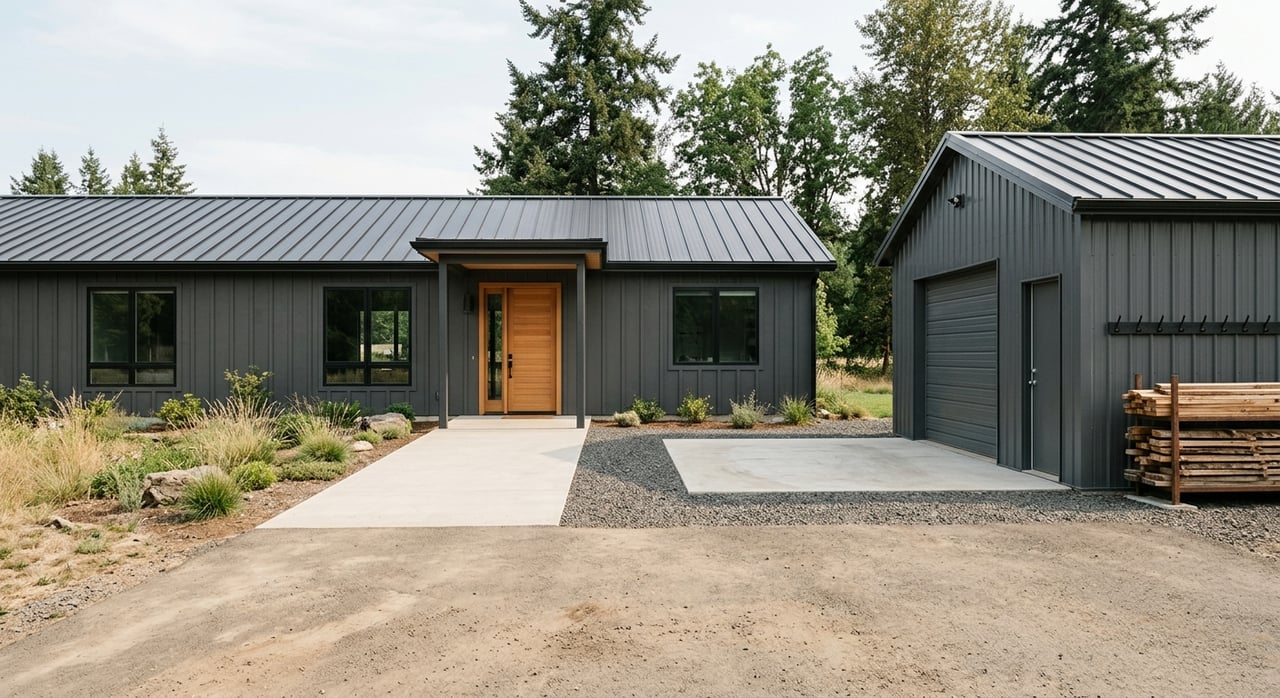
Preparing Burrell District Acreage For A Successful Sale
June 4, 2026
June 4, 2026
If you are getting ready to sell acreage in the Burrell District area of 93656, you may be wondering what buyers will actually pay attention to first. On rural property, value often comes down to usable land, water, access, and documentation, not just appearance. When you prepare the right records and address a few key site issues early, you can reduce uncertainty and make your property easier to understand. Let’s dive in.
In Fresno County, agricultural land is a major part of the local economy and land-use planning. The county’s 2024 crop report shows more than 1.88 million acres of farmland and over 350 crops, with agricultural production values totaling $9,029,122,000. That local context matters because buyers and appraisers often focus on whether a parcel is productive, legal, and clearly documented.
For Burrell District acreage, this means a strong sale package usually goes beyond mowing weeds or cleaning up the driveway. Buyers want to know how the land can be used, whether access is clear, and what records support the improvements on the property. In this market, paperwork can be just as important as presentation.
Before you list, confirm how the property is zoned and whether any land-use restrictions apply. Fresno County’s AE agricultural zoning includes a 20-acre minimum parcel size, along with 35-foot front setbacks and 20-foot side and rear setbacks. Even rural land is still regulated land, so it helps to understand the parcel’s framework before marketing it.
You should also check whether the property is enrolled in the Williamson Act or a Farmland Security Zone. Fresno County says these contracts restrict land to agricultural or open-space use, lower assessments based on that use, renew annually, and require a 9-year nonrenewal process to terminate. If your acreage is under one of these contracts, that can affect both buyer expectations and the sale conversation.
A buyer may be interested in the land for agricultural use, long-term holding, or another allowed purpose. If the parcel has a contract or zoning limitation, they will want that information early so they can evaluate fit and future plans. Clear disclosure helps avoid surprises later in the transaction.
One of the first practical questions on rural land is simple: can the buyer clearly identify what they are purchasing and how they reach it? Fresno County uses APNs and parcel maps to identify land, and site plan review requires a current deed with an accurate legal description while evaluating ingress and egress. That makes access and parcel identity a core part of pre-sale preparation.
If fence lines do not match available records or if boundaries are uncertain, the Assessor will not resolve those disputes. In that situation, a surveyor is the right professional to contact. A current understanding of the property lines can help prevent confusion during inspections, appraisals, and escrow.
Before listing, it helps to check:
For many acreage buyers, water is one of the most important topics. Fresno County issues permits for new wells and for reconstructing, repairing, deepening, or destroying existing wells, and those permits must be issued to a licensed well contractor before work starts. Existing private wells do not require a permit to operate, but records tied to the well still matter.
If your parcel relies on a private well, gather any permit history, well logs, repair records, and irrigation documentation you have. Fresno County also notes that groundwater sustainability agencies may impose additional requirements in critically overdrafted subbasins. Even when a buyer plans to do their own due diligence, organized records can make your listing feel more credible and complete.
Useful items may include:
Onsite wastewater systems are another area where buyers want clarity. Fresno County regulates onsite wastewater treatment systems to protect groundwater and surface water. The county’s Building & Safety guidance states there must be at least 50 feet between a septic tank and a water well, and 100 feet between leach lines and a water well.
If you have septic permits, system records, diagrams, or service documentation, gather them before the home goes live. If the paperwork is missing, it is better to know that early than to have the issue surface during buyer investigations. A complete file helps buyers understand how the property functions and whether the layout appears consistent with county standards.
Rural properties often include barns, shops, storage buildings, shade structures, and older add-ons. Some may be exempt from a building permit, such as one-story detached accessory sheds under 120 square feet and fences not over 7 feet. Larger structures, attached structures, or anything with sleeping or living space can trigger full development standards.
In agricultural zoning, accessory structures are allowed, but they still must meet applicable setbacks and height limits. That means a simple cleanup is not enough if records are missing or a structure raises questions. Buyers will want to know not only what is on the property, but also whether those improvements appear properly documented.
Fresno County Building & Safety says missing permit records can lead staff to request Residential, Farm, and Miscellaneous Building Records from the Assessor to help verify a structure’s age. Owners are expected to obtain those records when needed. For sellers, that turns old outbuildings into a documentation issue, not just a visual one.
If work has been done on the land itself, do not overlook that history. Fresno County says grading permits are required in the unincorporated area to protect life, property, watercourses, stormwater, and fire-safety compliance. The road division also handles transportation permits, road encroachment, and road improvement applications.
If you have added or reworked roads, driveways, drainage features, or graded building pads, assemble those records now. Buyers often notice site work right away, and having permit information ready can make the property easier to evaluate.
Some permitted uses still require Site Plan Review. Fresno County says this process looks at traffic circulation, setbacks, lighting, and sign impacts, and it generally takes at least 60 days. If your acreage includes past or planned construction activity, site changes, or commercial farm-related improvements, it is worth reviewing whether this process applies.
A well-prepared rural listing tells a clean, factual story. Fresno County’s agricultural questionnaire asks owners to report changes to land, plantings, irrigation, buildings, wells, leveling, drainage, leases, grazing capacity, and other income-producing uses. That reporting structure is a useful guide for what documented acreage value looks like in this market.
If your property has a crop history, lease income, irrigation service, or other productive use, organize those materials into one simple file. Buyers and appraisers tend to respond well when they can quickly understand the land’s use, improvements, and operational history.
Before listing, try to gather:
Documentation leads the process, but presentation still matters. A buyer walking acreage will quickly notice whether access feels open, outbuildings look maintained, and the property appears usable. Cleaning around gates, drive lanes, barns, pump areas, and storage spaces can help the land read as cared for.
This does not mean you need to over-improve the property before a sale. It means removing obvious distractions so buyers can focus on the land itself and the value it offers. On acreage, neatness supports credibility.
Fresno County says property is reappraised when there is a change in ownership or new construction, and fair market value is what the property would bring on the open market when neither side can take advantage of the other. The county also notes that supplemental assessments can result from midyear changes in value. For sellers, this is another reason to reduce uncertainty before the property hits the market.
Unpermitted improvements, unclear access, and missing records can all create valuation questions later. By contrast, a file that shows legal access, water information, permitted improvements, and productive use can help support a smoother path from showing to closing.
If you want a simple place to start, focus on the items most likely to shape buyer confidence:
That kind of preparation can help your Burrell District acreage stand out for the right reasons. Instead of leaving buyers to guess, you give them a clearer picture of what the property is, how it functions, and why it has value.
If you are preparing acreage for sale and want a practical, detail-focused strategy before you list, Ruben Olguin can help you organize the property story, identify what matters most to buyers, and plan your next steps with confidence.


Work hand-in-hand with an experienced real estate agent who provides guidance, market expertise, and personalized support to help you buy, sell, or invest with confidence.

1220 W MAIN ST VISALIA CA 93291