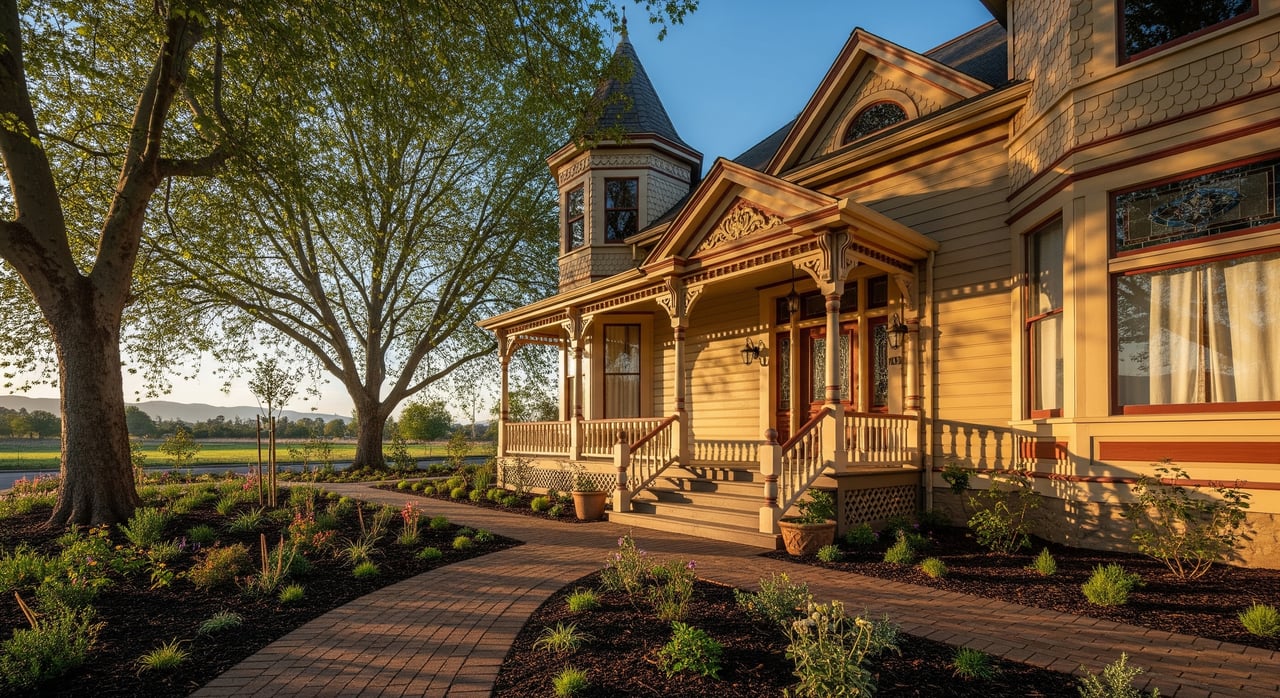
Thinking about selling a historic home in Visalia? You are not just listing a property. You are stewarding a piece of local history while trying to achieve a strong market outcome. That takes a bit more planning, clear disclosures, and the right strategy. In this guide, you will learn what to check first, how to price and prepare, and how to market your home’s story so you attract the right buyers without losing the character that makes it special. Let’s dive in.
Confirm historic status and rules in Visalia
Before you plan updates or set a price, confirm how your home is classified. This shapes what you can change, how you disclose, and even the buyer’s expectations.
- Check designation status. Find out if your home is a local landmark, sits in a local historic district, or is listed on the California Register or National Register of Historic Places. Local designation often triggers design review for exterior changes. National Register listing by itself generally does not restrict private owners unless federal funds or permits are involved.
- Contact the City of Visalia Planning Division or Historic Preservation Commission. Ask if exterior changes, additions, or demolition require a design review, Certificate of Appropriateness, or other approvals. Get clarity before you start work or promise changes to a buyer.
- Know the California Historical Building Code (CHBC). The CHBC offers alternate compliance paths for repairs and upgrades to historic structures. This can make certain fixes more feasible while preserving character.
- Explore incentives carefully. The Mills Act can reduce property taxes in exchange for a preservation contract, but participation and rules are local. Confirm if there is a program in Visalia or Tulare County and understand the timeline and obligations. The Federal Historic Rehabilitation Tax Credit applies to certified rehab of income-producing historic buildings, not most owner-occupied homes.
- Meet disclosure requirements. In California, you must complete the Transfer Disclosure Statement and other state forms. For homes built before 1978, provide lead-based paint disclosures. Disclose any preservation easements, recorded covenants, or historic district rules that affect the property. Also check for any local ordinances that may affect utilities, setbacks, or demolition delays.
Tip: Keep notes from your calls with city staff and gather any documentation they provide. This will help your agent educate buyers and avoid surprises in escrow.
Price with historic-aware valuation
Historic homes can be tricky to price because true comparables are rare. Architectural style, level of preservation, lot, and updates vary widely, and the buyer pool can be narrower than for a standard single-family home.
- Expect comps to be limited. Appraisers may need to widen the search window or rely on a mix of approaches. The sales comparison approach is still primary, but cost and income approaches can support value when a home has unique features or income potential.
- Account for function and systems. Older layouts and materials can be a plus for preservation-minded buyers, but some buyers expect price concessions if they foresee wiring, plumbing, or window upgrades. On the flip side, recent sympathetic updates can reduce perceived risk and support stronger pricing.
- Hire the right appraiser. Work with an appraiser who has experience with historic properties. Provide a complete package that includes restoration history, permit records, original plans or photos, and documentation of systems updates, roof age, and any inspections.
- Set a strategy that fits condition. If the home has major deferred maintenance, consider pricing to reflect expected repairs. If targeted improvements can unlock a higher price point, weigh the cost and timeline against the likely return.
Your goal is to price to the market while protecting the value of character-defining features. The right analysis will help you avoid an underpriced quick sale or a listing that lingers.
Prepare the home: inspections and light restoration
Buyers of historic homes appreciate transparency. Pre-listing inspections and focused repairs help you set expectations, reduce renegotiation, and showcase care for the property.
- Order key inspections.
- Structural: foundation, framing, and roof.
- Pest and termite: essential in Central Valley climates.
- Electrical: identify knob-and-tube or other dated wiring and panel issues.
- Plumbing and sewer: assess supply lines and lateral condition.
- Hazardous materials: for pre-1978 homes, address lead-based paint disclosures and consider testing when appropriate. Consider asbestos screening and roof material checks as needed.
- Mechanical/HVAC: note age, condition, and energy performance.
- Tackle cost-effective repairs.
- Stabilize the roof and correct leaks.
- Repair windows, weatherproofing, gutters, and visible wood rot.
- Ensure a safe, functioning electrical panel and basic system reliability.
- Refresh character-defining interiors such as floors, molding, and built-ins if costs are moderate.
- Avoid major character changes. Large alterations may trigger design review or turn off preservation-minded buyers. Focus on reversible, sympathetic updates, especially in kitchens and baths, that respect original trim and layout where feasible.
- Verify permits. Provide records for past work. If you discover unpermitted alterations, address them upfront or price accordingly. Buyers often flag undocumented work, which can stall or reduce a sale.
- Use experienced pros. Choose contractors familiar with historic materials and the CHBC. They can preserve original fabric while meeting safety goals.
This approach keeps the home’s story intact while strengthening your negotiating position.
Build the story and market to the right buyers
Historic homes sell best when you marry facts with feeling. You want buyers to understand both the property’s character and its current condition.
- Define your audience. Likely buyers include preservation-minded homeowners, empty nesters seeking character, local professionals who value older neighborhoods, architects or contractor-owners, and in some cases boutique hospitality or small-scale investors where zoning allows.
- Create a property narrative. Share the year built, builder or architect if known, original owner, and notable moments in the home’s life. Period photos and old blueprints help buyers imagine themselves as stewards of something meaningful.
- Inventory character features. List original windows, moldings, mantels, built-ins, tile, flooring, and landscape elements. Note any sympathetic updates like electrical rewiring, a new roof, or updated plumbing that lower ownership risk.
- Be transparent about rules. If exterior changes require design review or if an easement exists, state that clearly in your buyer packet. Surprises late in escrow erode trust and price.
- Invest in visuals. Professional photography that captures details and context is crucial. Include floor plans and measured drawings so buyers understand the layout and possible use changes.
- Choose targeted marketing. Beyond standard listing channels, share with preservation groups, architecture and restoration audiences, and agents who focus on historic properties. Host broker opens to educate local agents about the home’s strengths and disclosures.
With the right message, you will reach buyers who value the home’s integrity and are ready to close with confidence.
Plan your team and timeline
Selling a historic property takes a coordinated team and a bit more lead time.
- Build your advisory team. A preservation-aware listing agent, a historic-experienced appraiser, contractors who understand historic rehab, and a real estate attorney if you have easements, Mills Act questions, or probate issues. An accountant can help with tax considerations such as capital gains or Mills Act implications.
- Add time for research and permits. Confirm designation status, easements, and permits before you go live. If you are exploring a Mills Act contract, understand that approval can take months and may have owner-occupancy or other conditions.
- Weigh repairs against time on market. Major work can delay listing and extend timelines. If the market supports it, a polished but light-touch approach often delivers strong net proceeds without a full remodel.
A clear plan keeps the listing moving and avoids last-minute issues.
If you are selling an inherited historic home
Estate sales involve extra steps, and historic status can add layers.
- Confirm authority and title. Make sure the executor or trustee has proper authority and that chain of title is clear. If an easement or preservation covenant exists, involve an attorney early.
- Gather the family archive. Old photos, letters, and restoration records add marketing value and help appraisers and buyers understand what is original.
- Decide on scope. Many estates choose to sell as-is with full disclosure. If targeted repairs could deliver higher net proceeds, price out the work and consider timing.
Careful documentation and a transparent approach will help buyers move forward decisively.
Visalia seller checklist
- Confirm historic designation status and consult the City of Visalia Planning Division or Historic Preservation Commission.
- Gather title documents, permits, historic surveys or nomination forms, past appraisals, maintenance records, and old photos.
- Order pre-listing inspections for structure, pest, electrical, plumbing, mechanical, and hazardous materials as needed.
- Decide your strategy: targeted repairs or sell as-is with complete disclosure.
- Engage a preservation-aware agent and a historic-experienced appraiser.
- Prepare a buyer packet with a property history, inspection summaries, systems updates, and floor plans.
- Verify any Mills Act contracts or easements with Tulare County and city staff or counsel.
Why work with a local historic specialist
You want an agent who understands Tulare County’s preservation framework, can read older permits and records, and knows how to balance marketability with architectural integrity. You also want someone who can guide light restoration choices that support value rather than chase costly changes that buyers might not pay for.
With 25-plus years of local experience, a renovation-focused approach, and deep involvement in historic stewardship, you get clear guidance on valuation, pre-listing preparation, marketing, and negotiation. You also get a property story that resonates with the right buyers and a process that protects your interests from listing day through closing.
Ready to talk through your plans? Schedule a quick call and get a tailored plan for your home.
If you are considering selling your historic Visalia home, connect with Ruben Olguin to walk through your property, review documentation, and map a strategy that preserves character while achieving your goals.
FAQs
What does historic designation mean for a Visalia home sale?
- Local designation can trigger design review for exterior changes, while National Register listing generally does not restrict private owners unless federal funds or permits are involved.
Does National Register listing restrict renovations when selling in Visalia?
- Generally no; it does not impose restrictions on private owners unless federal involvement applies, but local rules may still require review for exterior changes.
Are there tax incentives like the Mills Act for Visalia homeowners?
- The Mills Act can lower property taxes in exchange for a preservation contract, but availability and terms are local, so confirm current participation and rules before relying on it.
What pre-listing inspections should Visalia historic sellers order?
- Structural, pest and termite, electrical, plumbing and sewer, hazardous materials screening for pre-1978 homes, and mechanical/HVAC inspections are recommended.
How should I price a historic home with few comps in Tulare County?
- Use a historic-experienced appraiser, provide detailed documentation and updates, and set pricing that reflects condition, buyer pool, and the value of preserved features.