Thinking about adding a backyard cottage or converting your garage in Visalia? You are not alone. Many Tulare County homeowners want more space for family or long-term rental income, but the rules can feel complicated. This guide simplifies what you need to know about ADUs in Visalia, from basics and parking to permits and timelines. You will walk away with a clear next-step checklist and local tips so you can move forward with confidence. Let’s dive in.
ADU basics under California law
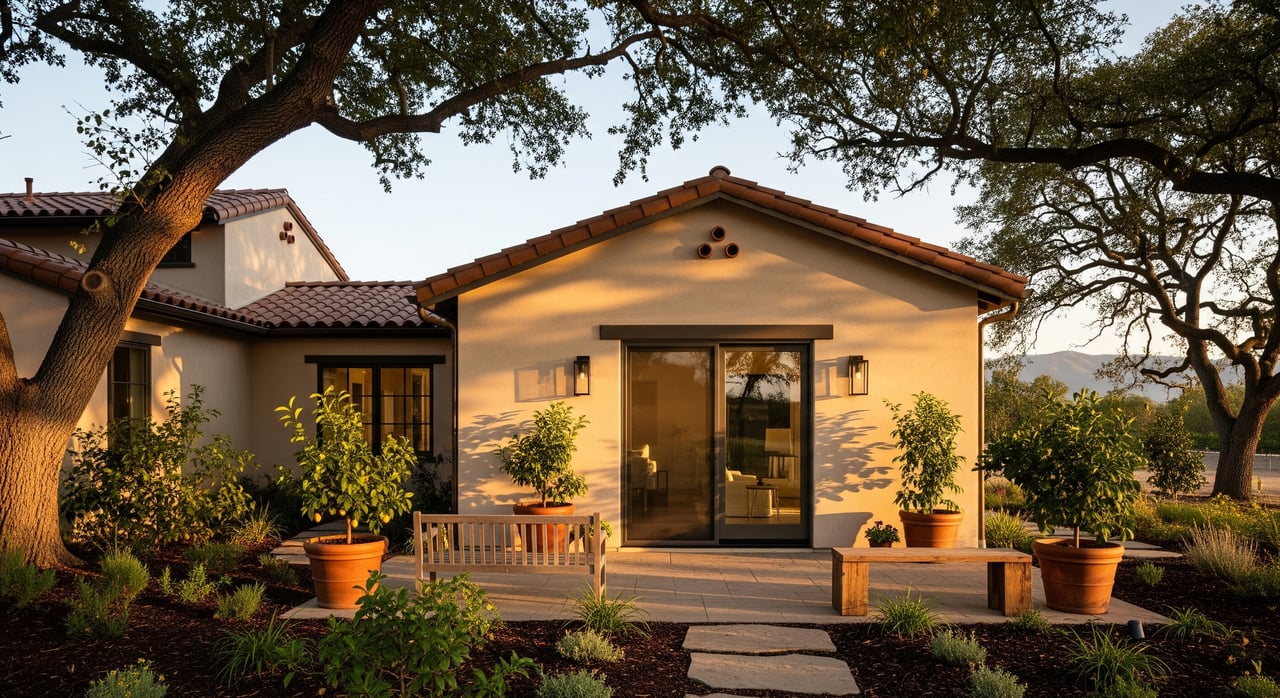
An accessory dwelling unit, or ADU, is a self‑contained home on the same lot as your primary residence. It includes a kitchen, bathroom, living space, and a place to sleep. You can build an ADU as a detached unit in the yard, attach it to your home, or create one by converting existing space like a garage or attic.
A junior ADU (JADU) is a smaller unit created within the existing footprint of a single‑family home. It typically has a compact kitchen and may share some systems with the main home. Many JADUs are limited to about 500 square feet under state frameworks. Always confirm current limits with the City of Visalia.
Under state law, ADUs that meet objective standards are processed ministerially, which means no discretionary hearing. Applications follow a streamlined review with set timelines. State rules also limit when cities can require extra parking, reduce certain impact fees for smaller ADUs, and set the tone for utility and safety compliance.
ADU vs. JADU: what fits your home?
If you are deciding between an ADU and a JADU, start with these practical differences:
- Location
- ADU: Can be detached, attached, or carved from existing space.
- JADU: Must be created within your home’s existing footprint.
- Size
- ADU: Size depends on local standards within state ceilings.
- JADU: Commonly capped around 500 square feet. Verify current limits in Visalia.
- Kitchen
- ADU: Requires a full kitchen.
- JADU: Uses a compact kitchen. Check Visalia’s definitions.
- Entrances
- ADU: Separate exterior entrance is typical.
- JADU: Often requires a separate exterior entrance but can share interior access.
- Owner-occupancy and rentals
- State law has changed owner‑occupancy rules over time. Confirm current Visalia practice for both ADUs and JADUs.
If you have unused interior space and want a lower‑cost path, a JADU may fit. If you want more privacy, rental income potential, or a multi‑generational setup, a detached ADU often makes sense.
Where ADUs are typically allowed in Visalia
Most single‑family residential zones in California allow ADUs. Many multi‑family zones allow ADUs as well, and some even permit multiple conversion units in existing structures. In Visalia, you should verify:
- Which zones allow detached or attached ADUs and JADUs by right.
- Any lot size standards or special conditions in historic or overlay districts.
- Whether your property falls in a planned district or specific plan area with extra guidelines.
A quick zoning and parcel check early in the process saves time and rework later.
Key design rules to check: size, height, setbacks
State law provides minimum allowances, but Visalia’s municipal code sets the exact local standards. Before you draw plans, confirm:
- Maximum ADU size for your lot and whether a second story is allowed.
- Setbacks for side and rear yards, and any required separation from the main house.
- Lot coverage and floor‑area limits that could affect your building envelope.
- Height limits and whether detached ADUs can be one or two stories.
Conversions of existing space often receive more flexible treatment on setbacks and parking. New detached ADUs face more traditional yard and height standards.
Parking: what to expect
California law limits when cities can require parking for ADUs. Common exemptions include:
- The ADU is within a half‑mile of transit.
- The ADU is created by converting existing space like a garage or accessory structure.
- The property is in certain multi‑family zones or a parking permit district where permits are not offered to the ADU.
Visalia’s exact rules and any guest parking requirements should be confirmed with planning staff. If parking is required, some projects satisfy it with on‑site spaces or tandem parking, depending on local standards.
Utilities, fire, and safety
ADUs must meet building, electrical, plumbing, and energy codes. Plan for:
- Sewer or septic: Most Visalia homes connect to city sewer. If your property is on septic, Tulare County Environmental Health will govern capacity and replacement area requirements.
- Water and power: Check meter capacity and whether separate meters are required by local policy or utility providers.
- Fire and life safety: Expect standard building separations, access, and applicable fire safety measures. Requirements can vary in special areas like the wildland‑urban interface.
Confirm utility connection fees and whether service upgrades are needed before finalizing your budget.
Permitting path and timeline in Visalia
Every parcel is different, but most ADU projects follow a similar path:
1) Preliminary research
- Verify zoning, setbacks, lot coverage, sewer or septic status, and any overlays like historic or flood zones.
- Consider a pre‑application conversation with City of Visalia Planning to flag issues early.
2) Plans and technical documents
- Site plan with property lines, structures, setbacks, driveway, and utilities.
- Floor plans and elevations, plus structural or engineering plans for new construction.
- Energy compliance (Title 24) and CALGreen documentation.
- Septic details if not on municipal sewer.
3) Submit applications and fees
- Planning and building submittals may be combined or separate. Pay applicable application and plan‑check fees.
4) Ministerial planning review
- Staff checks objective standards like height, setbacks, parking, and lot coverage. Compliant applications are approved ministerially.
5) Building plan check
- Building & Safety reviews structural, electrical, plumbing, mechanical, and energy code compliance. Plan on at least one correction cycle.
6) Permits and construction
- After approvals and fees, permits are issued. Inspections occur at key stages through final.
7) Final approval and occupancy
- You receive final approval or a certificate of occupancy once inspections are complete.
Typical time ranges to plan for
- Early research and pre‑app: 1 to 4 weeks.
- Design and plans: 2 to 12+ weeks, depending on scope.
- Plan check and permitting: 6 to 12+ weeks, longer if complex.
- Construction: 8 to 16 weeks for small conversions; 4 to 9 months for larger builds.
State law sets ministerial timelines for compliant ADUs, but actual duration depends on plan quality, corrections, and contractor scheduling.
Costs, fees, and financing
Your total project cost depends on size, finishes, site work, and utility needs. Typical cost drivers include foundation and grading, utility upgrades, fire‑resistive construction where required, and any accessibility improvements.
California law limits or reduces certain impact fees for smaller ADUs, but you should still plan for city fees, utility connection fees, and standard plan‑check and inspection charges. Always request the current fee schedule from the City of Visalia.
Common financing paths include cash, a HELOC, a cash‑out refinance, a construction‑to‑permanent loan, or specialized ADU lenders. Some owners phase financing by using a construction loan and then refinancing after completion.
Quick feasibility checklist for Visalia homeowners
Use this list to confirm your baseline before you hire a designer or pull permits:
- Zoning and whether your lot allows attached, detached, or JADU.
- Lot coverage, setbacks, and maximum height allowed.
- Parking requirements and possible exemptions for your site.
- Sewer versus septic status and rules for connections or capacity.
- Utility service capacity for water, sewer lateral, and electrical panel.
- Floodplain, hillside, or other environmental constraints.
- Historic district, conservation overlay, or architectural review triggers.
- HOA or CC&R restrictions if applicable.
- Building code requirements and Title 24 energy compliance.
- Estimated fees and any size‑based fee reductions.
- Wildfire and defensible‑space considerations in applicable areas.
- Project budget and financing approach.
- Availability of an architect, engineer, and licensed contractor with ADU experience.
Historic districts and special overlays
If your property sits within a historic district or conservation overlay, expect additional design guidelines. These can shape exterior finishes, height, and massing so the ADU fits the neighborhood context. A thoughtful approach usually speeds review and protects long‑term value. In flood zones or environmentally sensitive areas, you may face extra permits or specific construction methods.
Smart planning tips
- Start with your site plan. Knowing your property lines, easements, and utility locations keeps your design within bounds.
- Prioritize code‑compliant paths. Conversions often reduce parking and setback hurdles.
- Design for flexibility. A simple, durable layout appeals to long‑term renters and supports multi‑generational living.
- Get early utility feedback. Meter upgrades and sewer connections can affect layout and costs.
How a local advisor helps
An ADU adds useful space and can boost long‑term value, but the best outcomes start with a clear plan. You benefit from an advisor who understands Visalia’s objective standards, local permitting rhythms, and how design choices affect resale. With decades of Tulare County experience, renovation know‑how, and a preservation mindset, Ruben can help you evaluate feasibility, align your scope with the rules, and connect your project goals to market demand.
If you are considering an ADU or JADU, reach out for a practical, parcel‑specific conversation. Ruben Olguin can help you map your next steps and time the project with your broader real estate goals.
FAQs
What is an ADU vs. a JADU in Visalia?
- An ADU is a self‑contained home on your lot with a full kitchen and bath, while a JADU is a smaller unit within your existing home, typically around 500 square feet with a compact kitchen.
Are ADUs allowed in most Visalia neighborhoods?
- ADUs are broadly allowed in single‑family zones across California, and many multi‑family areas allow them too. Confirm your Visalia zoning and any overlay rules before you begin.
Do I need extra parking for an ADU in Visalia?
- It depends on your site. State law exempts many projects, including conversions and properties near transit. Check Visalia’s current parking standards and exemptions for your parcel.
How long does ADU permitting take in Visalia?
- Streamlined, ministerial review applies to compliant ADUs. A practical timeline is about 2 to 4 months before construction, with actual durations based on plan quality and corrections.
Will building an ADU increase my Tulare County property taxes?
- Adding living area typically increases assessed value for the new improvement. Contact the Tulare County Assessor for details on how your assessment would change.
Can I use an ADU for short‑term rentals in Visalia?
- Short‑term rental rules vary and may require specific approvals or business licensing. Check Visalia’s current regulations before planning short‑term use.
Do ADUs in Visalia need separate utility meters or addresses?
- Practices differ by city and utility provider. Some projects share meters while others require separate service. Confirm addressing and metering with Visalia Utilities and the post office early in design.
Can my HOA or CC&Rs restrict an ADU?
- Yes, covenants can limit or condition ADUs even when the city allows them. Review your CC&Rs and contact your HOA before you proceed.