Thinking about buying acreage in the Burrell District around Riverdale and seeing AE‑20 on the listing? You are not alone if you wonder what that really means for building, farming, or future plans. Understanding AE‑20 up front helps you avoid costly surprises and focus your search on the right parcels. In this guide, you will learn what AE‑20 allows, the permits you may need, and a practical checklist tailored to 93656. Let’s dive in.
AE‑20 in 93656: What it means
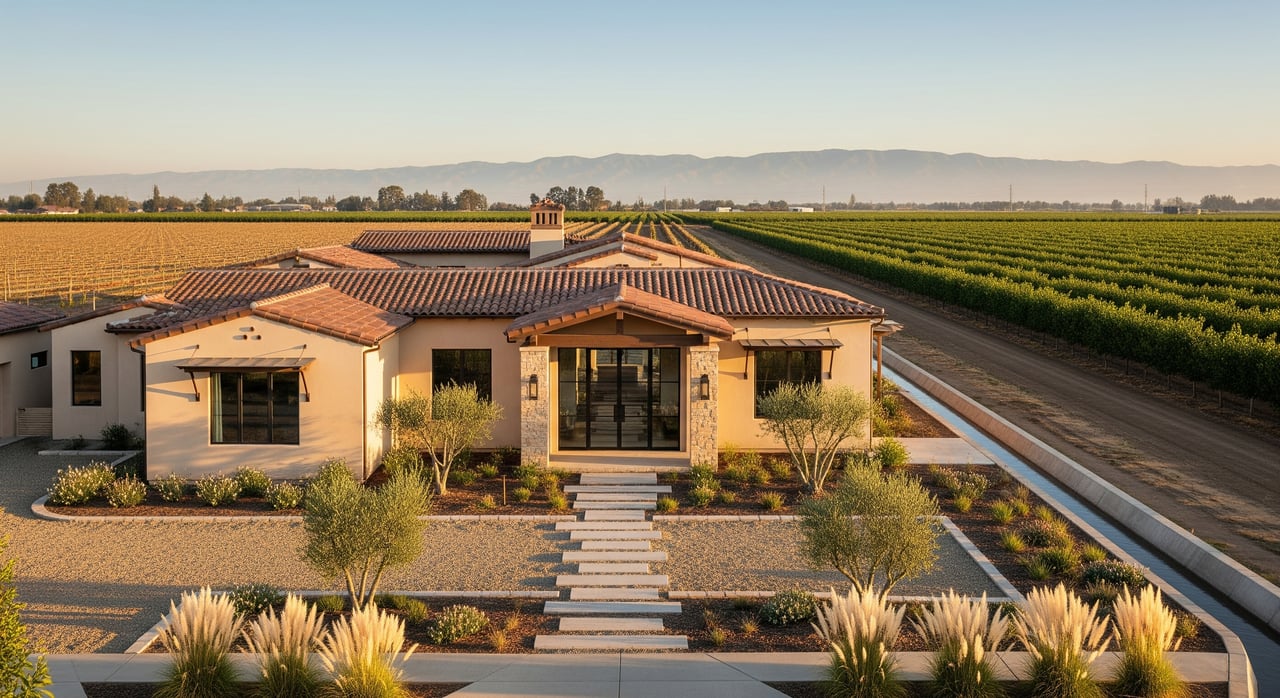
AE‑20 in Fresno County is an agricultural/exclusive zone intended to protect farming and keep residential density low. The “20” commonly signals a 20‑acre minimum parcel size. Confirm the exact minimum for the specific parcel before you write an offer.
You can generally expect one primary single‑family home per legal parcel, with agriculture and ranching as the primary uses. Many commercial or non‑ag uses need extra review through a permit process. Finally, do not confuse AE‑20 zoning with FEMA flood Zone AE. A parcel can have both, but they are separate rules.
What you can build
Primary home and ADUs
A primary residence is generally allowed in AE‑20. Accessory dwelling units are broadly enabled by California law, but local siting, setbacks, parking, and utility standards still apply in agricultural zones. A second dwelling or farmworker housing may be possible through specific approvals. Always verify Fresno County ADU and agricultural housing rules for the exact site.
Barns and ag structures
Barns, equipment sheds, corrals, and similar farm buildings are typical in AE‑20. Most structures still require building permits and must meet setbacks and fire standards. Larger commercial buildings or processing uses can trigger additional permits and environmental review.
Farmstands and agritourism
Limited agritourism, farmstands, wineries or tasting rooms, and commercial stables may be considered with a Conditional Use Permit or similar discretionary approval. These uses often add requirements for parking, traffic circulation, and restrooms.
Utilities and on‑site services
Rural parcels in 93656 are usually not on municipal water or sewer. Expect private well and septic unless you are near a special district.
- Water: Confirm well feasibility early, including distance from property lines and required well setbacks.
- Septic: Fresno County Environmental Health regulates perc tests, system sizing, and setbacks. Some soils make conventional septic difficult.
- Power and communications: New line extensions can be expensive in remote areas. Get preliminary estimates for electric and internet service.
Lot splits and density
AE‑20 is designed to prevent subdivision below the minimum parcel size. Creating new parcels smaller than the AE‑20 minimum typically requires rezoning or a variance and is often difficult. Lot line adjustments and parcel mergers are possible if they comply with county standards. Verify whether a parcel is a legal lot before planning changes.
Tax programs and restrictions
Some AE‑20 parcels are under a Williamson Act contract. This can reduce property taxes while the land stays in agricultural use, but it also restricts non‑ag development and can affect resale. Always check contract status during due diligence.
Safety, flood, and soils
- Fire safety: Parcels near wildland areas must maintain defensible space, meet access standards for fire engines, and use fire‑resistant construction. Coordinate early with the local fire district.
- Flooding and drainage: Parcels near rivers or sloughs may lie in FEMA flood plains, including Flood Zone AE. That can affect building elevation, permits, and insurance. Review drainage patterns and soil stability common to Central Valley clays.
Permits you will likely need
- Building permits: Required for residences and most structures. Expect structural plans and energy code compliance.
- Environmental Health: Perc tests, septic permits, well location review, and sometimes water quality checks.
- Planning permits: Ministerial zoning clearance for by‑right uses; Conditional Use Permits, Minor Use Permits, or variances for uses not allowed outright.
- Parcel maps and lot changes: County Planning and Public Works handle lot line adjustments, parcel maps, and access improvements.
- Agricultural and resource permits: Some commercial ag activities, pesticide storage, or large irrigation upgrades require extra permits or notifications.
- Fire approvals: Addressing, access, water supply, and defensible space requirements.
- CEQA: Discretionary permits can trigger environmental review, which adds time and cost.
Smart site planning steps
- Confirm access: Is it a public county road or a private easement? Review maintenance obligations and all‑weather access.
- Price utilities: Get line‑extension estimates and compare to off‑grid options like solar, battery, and generator.
- Test early: Order perc testing and request historic well logs if available. Lack of percolation or groundwater can change your plan.
- Review soils: High‑clay soils affect drainage, foundations, and septic design.
- Check title: Look for utility easements, pipeline corridors, rights‑of‑way, conservation easements, and deed covenants.
- Expect ag activity: Dust, equipment noise, and pesticide operations are part of working landscapes. Plan buffers and siting accordingly.
- Consider floodplain: If in a mapped flood zone, you may need an elevation certificate, raised pads, or flood insurance.
Buyer checklist for AE‑20 in 93656
Use this quick list before you commit to a parcel:
- Current zoning and any overlays from Fresno County Planning
- Zoning verification letter or zoning clearance for your intended use
- Parcel map, legal description, and boundary survey
- Preliminary title report with easements, CC&Rs, and rights‑of‑way
- Williamson Act or conservation easement status
- FEMA flood map determination and estimated flood elevations
- Past perc tests, septic permits, and well logs
- Soils or geotechnical summary for building feasibility
- Utility availability letters for power, phone/internet, and propane
- Fire district contact and any required defensible space clearances
- Agricultural Commissioner guidance for livestock and pesticide buffers
- Recent tax bill and Assessor data for assessment and contract checks
- Evidence of legal access and any road maintenance agreements
Typical timelines and costs
- Early feasibility checks: A few days to two weeks for zoning, flood, and initial utility calls.
- Perc tests and well work: Several weeks to months depending on season and scheduling. Costs vary widely.
- Building plan review: Several weeks to a few months depending on complexity.
- Discretionary permits: Months with public hearings, longer if environmental review is needed.
- Utilities and driveways: Weeks to months for line extensions and access improvements.
Financing realities for rural AE‑20
Financing is available, but lenders look hard at access, septic and well feasibility, and insurability. Some loan products work for rural properties, but expect requests for perc results, well data, and appraisals that reflect acreage value. Early due diligence keeps your loan timeline on track.
Who to call first
For parcels in the Burrell District and greater 93656 area, start with these Fresno County resources:
- Planning and Development Division for zoning and permits
- Building & Safety for building permit requirements
- Environmental Health for septic and well standards
- Public Works for driveway and encroachment permits
- Agricultural Commissioner for livestock and ag operations guidance
- Local fire district or CalFire for access and defensible space
- County Assessor for tax status and Williamson Act checks
- FEMA Flood Map Service Center for flood zone status
- State resources: California HCD for ADU guidance; Department of Conservation for Williamson Act information
Bottom line
AE‑20 in the Burrell District protects agriculture while allowing a primary residence and typical farm uses. With the right plan, you can build a home, operate an agricultural business, and protect your investment. Focus on parcel‑specific checks like zoning verification, perc testing, well feasibility, access, utilities, and any Williamson Act contract. If you want a second set of eyes on feasibility and strategy before you offer, reach out.
Ready to evaluate an AE‑20 parcel in 93656? Schedule a free consultation with Ruben Olguin to review your goals, timeline, and next steps.
FAQs
What is AE‑20 zoning in Fresno County?
- AE‑20 is an agricultural/exclusive zone that prioritizes farming, allows low residential density, and typically uses a 20‑acre minimum parcel size.
Can I build a house on AE‑20 land in 93656?
- In most cases yes, one primary single‑family home per legal parcel is typical, subject to county building permits and standard setbacks.
Are ADUs allowed on AE‑20 parcels?
- State law is permissive for ADUs, but local rules on siting, setbacks, and utilities still apply; verify specifics with Fresno County before planning.
Can I split AE‑20 land below 20 acres?
- AE‑20 is intended to prevent smaller splits. Rezoning or variances are discretionary and difficult, so do not assume subdivision is possible.
Do I need permits for a farmstand or tasting room?
- Yes, most accessory commercial uses require a Conditional Use Permit or similar review and may add parking and restroom requirements.
How do I check flood risk near the Kings River?
- Review FEMA flood maps for Flood Zone AE and ask for elevation data; floodplain status can affect building elevations and insurance.
What is the Williamson Act and why does it matter?
- It is a contract that can reduce property taxes while restricting non‑ag development; confirm enrollment early to understand limits and benefits.
What should I budget for septic and well?
- Perc testing and well work vary by site and season, and costs can range widely; build in time and funds for testing before finalizing plans.